
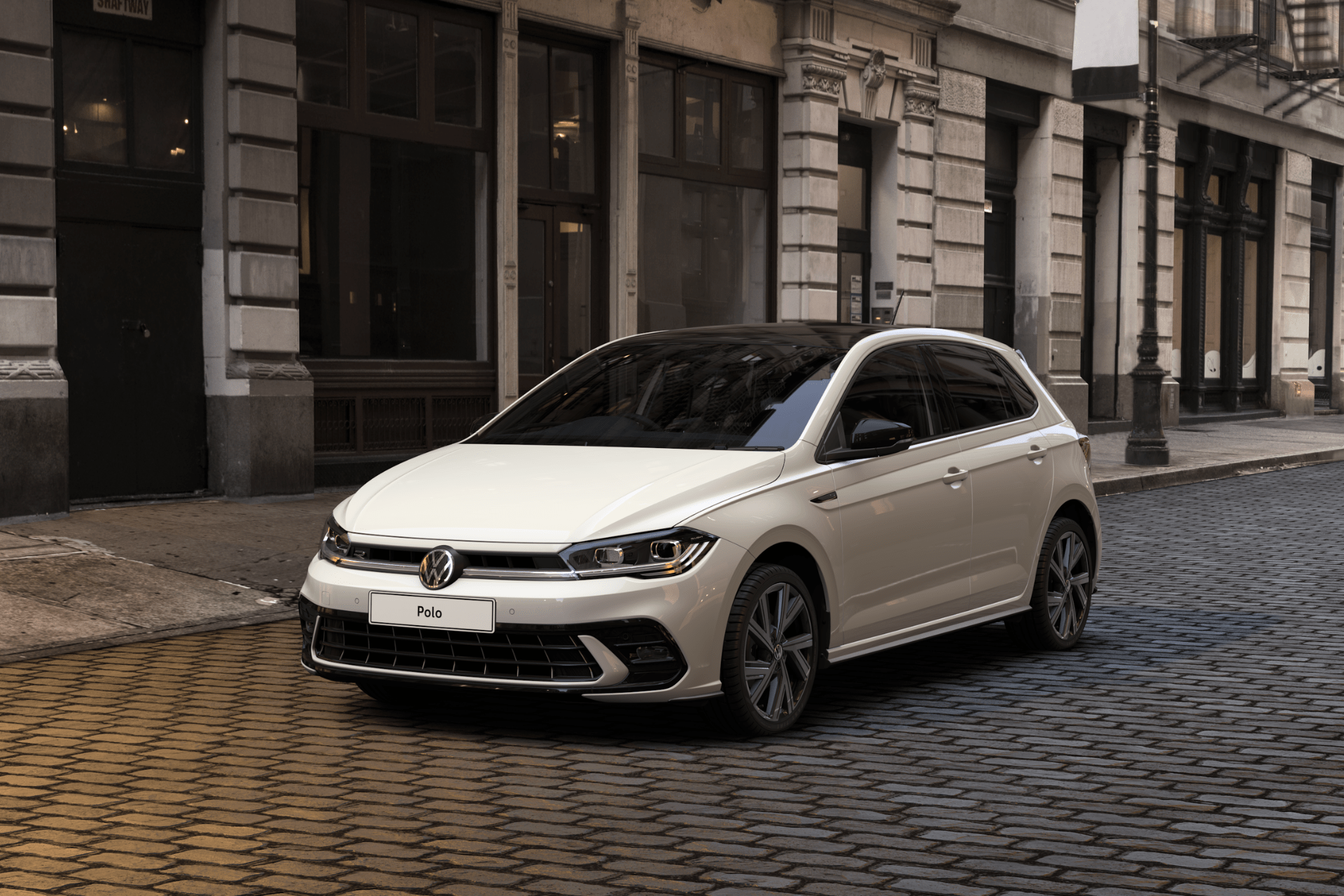
A car can feel perfect on an open road and exhausting five minutes after you enter a crowded street. Narrow lanes, tight parking, sudden stops, speed bumps, delivery bikes, school traffic, and short errands expose weaknesses that a showroom test drive often hides. For city drivers, the right choice is not always the flashiest model or the one with the biggest engine. It is the car that makes daily movement feel calmer, cheaper, and less tiring.
Urban driving rewards smart restraint. A compact footprint, clear visibility, easy steering, good fuel use, and practical storage can matter more than raw power. You also need to think beyond the vehicle itself: insurance, service access, parking fees, resale demand, and how the car behaves during slow, stop-start traffic. Resources like automotive market visibility can also help brands and buyers understand how vehicle choices connect with real-world city needs. The best urban cars do not fight the city. They work with it.
Why City Drivers Need a Different Kind of Car
A city does not treat every vehicle equally. A wide sedan, a bulky SUV, and a small hatchback may all look useful on paper, but their daily experience changes the moment you squeeze into a narrow parking spot or crawl through traffic for twenty minutes. City driving punishes excess. It rewards cars that feel light, aware, and easy to place on the road.
Compact size matters more than showroom presence
A large vehicle can make sense for families, long-distance comfort, or heavy luggage needs, but size turns into stress inside crowded streets. Every extra inch affects parking, lane changes, and how confidently you pass through tight gaps. Small cars often feel less dramatic on paper, yet they save energy in the moments that repeat every day.
This is where compact city vehicles earn respect. They may not look grand outside a restaurant, but they make life easier when a delivery van blocks half the lane or when the only parking space left sits between two careless drivers. A smaller turning radius also reduces the awkward back-and-forth that makes urban parking feel like a public performance.
The smartest buyers judge size by use, not ego. A car should match the streets you drive most, not the rare trip you imagine taking once a year. If ninety percent of your driving happens in dense neighborhoods, a smaller car often gives you more freedom than a larger one.
Visibility can beat power in daily traffic
Strong acceleration feels exciting, but clear sightlines save nerves. In the city, you need to notice pedestrians stepping from between parked cars, motorbikes slipping into blind spots, and traffic lights changing behind buses. A vehicle with poor visibility makes every move feel slower because your brain keeps filling in missing information.
Good urban cars give you a clean view from the driver’s seat. Thin pillars, a sensible window line, well-placed mirrors, and a rear camera all reduce hesitation. That matters because hesitation has a cost. You miss gaps, brake late, and park with less confidence.
Power still has value, especially when merging into faster roads from a side street. Yet in daily city use, control beats force. A car that helps you see clearly will often feel quicker than a stronger car that makes you guess.
Choosing Cars That Fit Tight Streets and Busy Routines
The best city vehicle feels natural during ordinary tasks. It handles the school run, the grocery stop, the office commute, and the late-night food pickup without turning each errand into a planning exercise. Cars That Fit tight streets are not only small; they are designed around the actual rhythm of urban life.
Easy parking saves more than time
Parking is not a side issue in a city. It shapes where you go, how long you stay, and whether you avoid certain places altogether. A car that parks easily gives you more choices because you stop fearing the end of every trip. That freedom adds up fast.
A short vehicle length helps, but parking ease also depends on steering feel, camera quality, sensor accuracy, and how well you can judge the corners. Some cars look small from outside but feel vague from behind the wheel. Others give you such clear edges that even a tight parallel spot feels manageable.
Urban car choices should include a simple parking test before purchase. Do not only drive on a wide road near the dealership. Try a narrow street, a reverse park, and a tight turn into a small space. The car will tell you the truth there.
Fuel use changes in stop-start driving
Fuel economy ratings can mislead city buyers because controlled test figures rarely match crowded-road behavior. Short trips, long idle periods, frequent braking, and slow acceleration all increase consumption. A car that performs well on highways may drink more fuel than expected when trapped in daily congestion.
Efficient engines, hybrid systems, and lighter vehicle weight all help in city traffic. Hybrid cars can be especially useful because they recover energy during braking and often run more efficiently at low speeds. That does not mean every urban buyer needs a hybrid, but it does mean fuel use should be judged through city conditions, not fantasy road trips.
Maintenance also connects to fuel cost. Dirty filters, poor tire pressure, and delayed servicing can make a modest car feel expensive to run. A sensible vehicle choice paired with disciplined upkeep keeps daily driving from quietly draining your budget.
Comfort, Safety, and Technology That Actually Help
Technology can make urban driving easier, but only when it solves a real problem. A giant touchscreen means little if basic controls require too much attention. City drivers need features that reduce mental load, not features that make the dashboard feel like a tablet with wheels.
Driver assistance should reduce stress, not replace attention
Useful driver assistance features include blind-spot alerts, rear cross-traffic warnings, parking sensors, lane guidance, and automatic emergency braking. These systems matter because city driving gives you less space to recover from mistakes. One hidden cyclist or sudden brake light can turn a normal drive into a costly moment.
Still, technology should support your judgment, not take it over. Overconfidence creates a different kind of danger. A warning light is helpful; blind trust is not. The best setup keeps you engaged while catching the things human eyes can miss.
A practical example makes this clear. When reversing from a parking spot beside a tall van, rear cross-traffic alert can detect movement before you see it. That single feature may prevent more real-world trouble than a high-end sound system or oversized display.
Cabin comfort matters on short trips too
People often associate comfort with long drives, but cities test comfort through repetition. A badly shaped seat, stiff suspension, noisy cabin, or awkward driving position becomes irritating when you face the same route twice a day. Short trips can wear you down when the car never quite fits your body.
Suspension deserves special attention. Urban roads often include potholes, broken patches, uneven repairs, and speed bumps. A car with harsh ride quality may feel sporty for ten minutes, then annoying for the next three years. Comfort is not softness for its own sake; it is the ability to arrive without feeling beaten by the road.
Storage also matters more than buyers expect. A proper place for a phone, keys, water bottle, shopping bag, and charging cable keeps the cabin from turning into a moving drawer. Small details decide whether a car feels peaceful or messy during daily use.
Long-Term Value Comes From Living With the Car
A smart city car purchase does not end when you sign the papers. The real test starts after months of parking, servicing, fueling, cleaning, and reselling. A car that looks like a bargain on day one can become expensive if parts are rare, resale demand is weak, or insurance costs are high.
Ownership costs should shape the final decision
Purchase price gets attention because it is visible. Running cost hurts more because it repeats. Insurance, tires, fuel, maintenance, parking damage, and depreciation all belong in the real price of ownership. Ignoring them is how buyers end up with a car they can afford to buy but dislike paying for.
Service access matters in cities where time already feels squeezed. A vehicle with nearby service centers, common parts, and trained mechanics will usually create fewer headaches than a rare model with uncertain repair support. Even a small repair feels bigger when the car sits for days waiting on parts.
Resale value also deserves early thought. Popular compact models, reliable small sedans, efficient hybrids, and trusted hatchbacks often hold value better because urban demand stays steady. You are not only buying transport for today; you are buying an asset you may need to sell cleanly later.
Lifestyle fit beats trend chasing
Trends change faster than daily needs. One year, everyone wants a high-riding crossover. Another year, buyers chase electric badges, panoramic roofs, or oversized screens. Some trends are useful, but none should outrank your actual routine.
A single professional with tight apartment parking may need a different car than a parent managing two school bags and weekend groceries. A ride-hailing driver needs low running cost and durability. A remote worker who drives only a few times a week may care more about parking ease and battery health than long-distance comfort.
The honest move is to map your week before choosing a car. Count your passengers, parking conditions, route types, cargo needs, fuel budget, and service access. City drivers who start with their real routine usually avoid the regret that follows image-based buying.
Conclusion
Urban driving exposes the difference between a car that looks good and a car that feels right. The better choice is rarely about one headline feature. It comes from the way size, visibility, fuel use, comfort, safety, service access, and resale value work together during ordinary days. That is why a thoughtful buyer should treat the city as the test track, not the dealership road outside the showroom.
The smartest approach is simple: choose around repeated reality. If your roads are narrow, value compact size. If your commute is slow, care about fuel use and cabin comfort. If parking is painful, test it before you buy. The best cars that fit urban life reduce friction without demanding attention for themselves.
Before making a final decision, take one serious city test drive through the streets you know best. A car that feels calm there has already answered the question that matters most.
Frequently Asked Questions
What are the best cars for city driving?
The best cars for city driving are compact, easy to park, fuel-efficient, and comfortable in slow traffic. Hatchbacks, small sedans, compact hybrids, and smaller crossovers often work well because they balance space with control. The right choice depends on your parking, commute, and budget.
How do I choose a car for urban life?
Start by studying your daily routine. Look at parking space, commute distance, passenger needs, fuel cost, and service access. A car for urban life should feel easy during normal errands, not impressive only during a short test drive on open roads.
Are small cars better for city streets?
Small cars are often better for city streets because they turn easily, park faster, and feel less stressful in traffic. They also tend to cost less to fuel and maintain. Larger cars can work, but they need enough visibility and parking support to stay practical.
Is a hybrid car good for city driving?
A hybrid car can be a strong city choice because stop-start traffic allows it to recover braking energy and reduce fuel use. It works best for drivers who spend plenty of time in congestion, short trips, and low-speed routes where regular engines often feel inefficient.
What features should urban cars have?
Urban cars should have parking sensors, a rear camera, good mirrors, light steering, automatic emergency braking, and comfortable seats. Blind-spot alerts and rear cross-traffic warnings are also useful. Features should make driving calmer, not distract you from the road.
Should I buy an SUV for city driving?
An SUV can work in the city if it is compact, easy to see out of, and not too wide for your parking situation. A large SUV may feel comfortable, but tight lanes, fuel costs, and parking stress can make it a poor everyday fit.
How important is fuel economy for city drivers?
Fuel economy matters a lot for city drivers because congestion, idling, and short trips increase fuel use. A car with strong city mileage can save money every week. Tire care, regular servicing, and smooth driving also help keep fuel costs under control.
What is the most practical car size for urban driving?
The most practical car size for urban driving is usually compact enough to park easily but large enough for your real passenger and cargo needs. A small hatchback suits many solo drivers, while a compact sedan or crossover may work better for families.