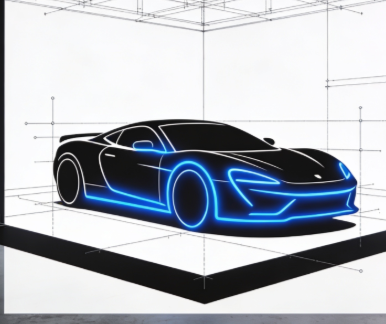

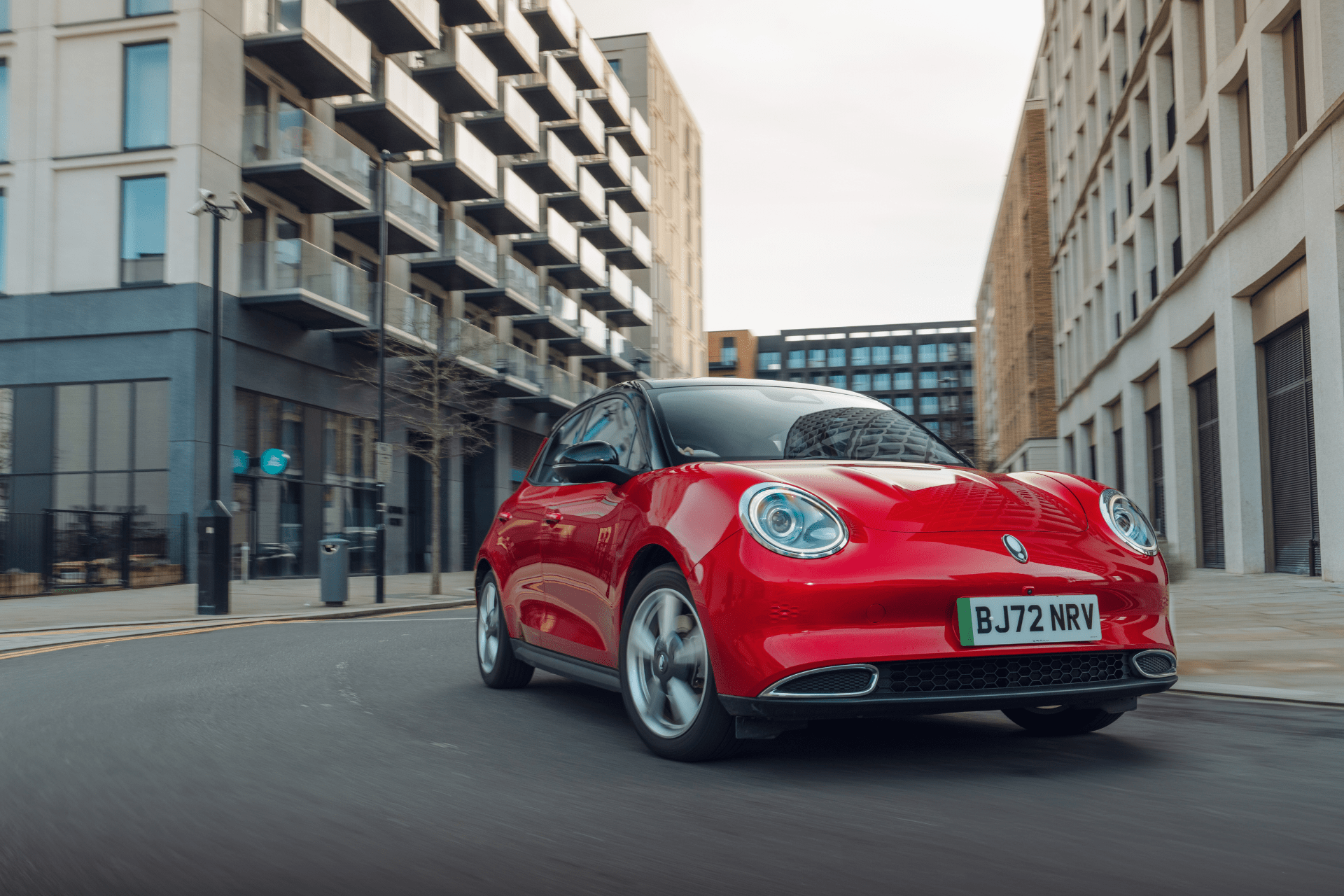
A wide car can turn a normal errand into a slow negotiation with mirrors, curbs, scooters, delivery vans, and impatient drivers. That is why compact vehicle design has become more than a styling choice; it is a practical answer to streets that were never built for today’s volume of movement. In dense neighborhoods, every extra inch affects how you park, merge, turn, and avoid the kind of tiny mistakes that become expensive repairs. Good design does not mean making a car feel cheap or cramped. It means shaping the vehicle around the real limits of urban driving, from narrow lanes to tight apartment parking and sudden stops near crosswalks. For drivers comparing options through trusted automotive resources or broader mobility discussions on platforms like modern transport coverage, the question is not only what looks good in a showroom. The better question is what behaves well when the street gets messy. Crowded streets reward cars that fit the world they actually enter.
Compact Vehicle Design and the Reality of Urban Space
City streets punish wasted space. A car may look modest on paper, yet feel oversized the moment it reaches a market road lined with parked bikes, vendors, buses, and drivers trying to squeeze through gaps that barely exist. Compact vehicle design matters because it treats space as a driving feature, not a leftover measurement. That shift changes how a driver moves through daily pressure.
Why urban driving rewards smaller footprints
Urban driving is full of small decisions that happen faster than people admit. You judge whether a lane can hold two cars, whether a delivery truck leaves enough room, and whether a sharp turn needs one move or three. A smaller vehicle footprint gives you more margin before the street pushes back.
That margin feels minor until you need it. A narrow hatchback can pass a stalled taxi without climbing the curb. A short-wheelbase car can turn into a side street while a longer sedan needs a wider swing. These are not luxury benefits; they are daily relief.
Small car design also helps reduce the mental load on the driver. You do not spend the whole trip measuring invisible corners in your head. The car feels easier to place, and that sense of placement builds confidence during urban driving.
The counterintuitive part is that smaller cars can feel calmer, not weaker. Many drivers assume size equals security, but in heavy street traffic, control often matters more than bulk. A car that fits the lane gives you fewer moments where you have to gamble.
How small car design changes street behavior
Small car design affects more than the person behind the wheel. It changes how the vehicle behaves around everyone else. A compact car that stops short of blocking a lane, clears an alley quickly, or parks without sticking out becomes one less obstacle in a crowded chain.
A real example appears outside schools during pickup time. Larger vehicles often sit half-angled because the available gaps are awkward. Smaller cars can settle into limited spaces faster, which keeps traffic moving and reduces the honking spiral that turns a routine stop into chaos.
City parking also becomes less stressful when the vehicle is easier to position. Drivers spend fewer minutes reversing, correcting, and blocking others while trying to fit into a curbside space. That matters because parking delays do not stay private; they spill into traffic behind you.
There is a quiet social benefit here. A well-sized car asks less from the street. It takes less room, causes fewer interruptions, and gives pedestrians and cyclists more breathing space. Not glamorous. Useful.
The Street-Level Benefits Drivers Feel Every Day
The value of a smaller car shows up in moments too ordinary to make an advertisement. You feel it when turning into a grocery lot, crossing a tight intersection, or finding a legal space before your patience runs out. Design earns trust when it makes these small moments easier, and crowded streets expose weak design without mercy.
Why city parking shapes better vehicle choices
City parking is where many drivers learn the truth about their car. A vehicle can have soft seats, a strong engine, and a polished dashboard, yet still feel wrong if every parking attempt becomes a performance. Tight spaces reveal whether the car respects the driver’s time.
Shorter length helps, but length alone is not the whole story. Good visibility, clean body edges, steering response, and mirror placement all matter. A compact car with poor rear visibility can still make city parking feel harder than it should.
Small car design gives drivers a better chance to use imperfect spaces. In older commercial areas, parking spots are rarely neat rectangles. Some are squeezed between trees, poles, loading zones, and broken curbs. A compact vehicle can adapt without demanding ideal conditions.
The unexpected advantage is emotional. Easier parking changes how willing you are to drive somewhere. When a car feels easy to leave behind, the city feels more open instead of turning every trip into a parking calculation.
How traffic flow improves when cars fit the lane
Traffic flow depends on thousands of tiny movements that either work together or collide. One oversized vehicle blocking a turn lane can slow an entire street. One car struggling through a narrow gap can create a ripple that reaches the next signal.
Compact cars reduce these friction points. They clear intersections faster, make lane sharing less tense, and leave more usable space around buses, bicycles, and roadside activity. The driver may only notice a smoother ride, but the street notices the geometry.
Urban driving also improves when vehicles leave room for recovery. A scooter swerves, a pedestrian steps out, or a parked car door opens. Smaller vehicles give the driver more lateral space to react without turning a close call into contact.
Traffic flow is not only a government planning issue. It is shaped by what people choose to drive. When more vehicles fit the environment, the street stops fighting every movement.
Safety, Visibility, and Control in Tight Conditions
A crowded street does not forgive poor sightlines. The hardest risks often come from the edges: a child near a parked van, a cyclist beside a bus, a motorbike appearing between lanes. Smaller vehicles can help, but only when their design supports clear vision, predictable handling, and quick judgment.
How better visibility lowers daily risk
Visibility is one of the most underrated parts of compact car design. Drivers often focus on cameras and sensors, but the first safety tool is still the ability to see what is around the vehicle. Thin pillars, well-placed mirrors, and a low beltline can matter more than an extra screen.
Crowded streets create layered views. You are not looking at one hazard; you are reading five at once. A driver may need to watch a pedestrian at the curb, a bike in the mirror, a bus ahead, and a delivery rider cutting across the front. Better sightlines turn that chaos into something the brain can process.
A compact body can reduce blind spots when designed with care. The vehicle ends closer to where the driver thinks it ends, which makes judgment more accurate in narrow streets. That reduces scraped bumpers, clipped mirrors, and sudden braking.
Not every small car gets this right. A heavily styled compact with thick rear pillars can feel less honest than a plain one with clear glass and simple corners. Style should never steal vision in a city car.
Why control matters more than size in crowded streets
Control is the trait drivers feel before they can explain it. The steering reacts without delay, the brakes are easy to judge, and the car moves exactly where the driver expects. In crowded streets, that predictability is worth more than extra body mass.
A compact vehicle can place its wheels with less drama. It can tuck around potholes, avoid a broken curb, and adjust within a lane without crossing into someone else’s path. These small corrections create safer movement because the driver does not need big inputs to fix small problems.
Urban driving often happens at lower speeds, but low speed does not mean low risk. Most bumps, scrapes, and near misses happen during slow turns, parking, merging, and reversing. A car that feels controllable at walking pace protects your wallet and your nerves.
The lesson is simple: safety is not only about surviving a crash. It is also about avoiding the chain of poor visibility, late decisions, and awkward movements that causes trouble in the first place.
Designing Cars Around the City Instead of Against It
The best city vehicles do not try to dominate the street. They cooperate with it. That idea sounds modest, but it marks a major shift in how drivers should judge value. The right car is not the one that looks largest for the money. It is the one that removes friction from the life you actually live.
What smart interior packaging gives the driver
Interior packaging separates a thoughtful compact from a cramped one. A small exterior does not need to mean a tight cabin. Smart seat placement, upright shapes, flat floors, and clever storage can make a shorter car feel more practical than a bigger vehicle with wasted space.
Families see this during daily errands. A compact hatchback with a tall roof and folding rear seats may handle groceries, school bags, and a stroller better than a longer car with a narrow trunk opening. The outside stays city-friendly while the inside still works hard.
City parking also benefits from interior choices because drivers use cars for more than driving. They reach for bags, load packages, help children buckle up, and open doors in narrow spots. A cabin that supports these movements makes the vehicle easier to live with.
The surprise is that comfort often comes from layout, not size. A well-planned compact can feel more relaxed than a bulky car that wastes space on a long hood and thick bodywork. Good design puts the room where people need it.
Why future streets need smarter vehicle sizing
Future mobility will not be solved by adding more large vehicles to roads already under strain. Cities keep filling with ride-hailing cars, delivery fleets, motorcycles, buses, and pedestrians trying to share the same old corridors. Vehicle size has become a public issue, whether drivers like that or not.
Traffic flow improves when the average vehicle takes up less room at junctions, curbs, and parking zones. That does not mean every person must drive the smallest possible car. It means buyers should stop treating excess size as a default upgrade.
Small car design also supports cleaner street planning. More compact vehicles allow tighter parking layouts, shorter curb conflicts, and better use of limited road space. A city cannot breathe when every personal vehicle behaves like a rolling storage unit.
The smartest choice is not always the smallest car. It is the car sized honestly for your routes, your passengers, your parking reality, and your daily habits. That honesty is where better streets begin.
Conclusion
Crowded streets are not going to become wider because drivers bought larger cars. The smarter move is to choose vehicles that respect the space already available and make daily travel less tense. Compact vehicle design gives drivers better control, easier parking, clearer judgment, and a more natural fit for the places where most trips actually happen. It also asks less from everyone else sharing the road, which is an underrated form of courtesy. The next time you compare cars, look beyond horsepower, screens, and showroom shine. Think about the alley behind your office, the market street near your home, the tight parking spot outside the clinic, and the turn you hate making every week. Choose the car that makes those moments easier, not the one that only looks impressive from ten feet away. Your best vehicle is the one that fits your real streets without making every journey feel like a negotiation.
Frequently Asked Questions
Why does compact vehicle design matter in crowded streets?
It matters because crowded streets leave little room for error. A compact vehicle is easier to steer, park, and position in narrow spaces, which reduces stress for the driver and helps surrounding traffic move with fewer interruptions.
How does small car design help with urban driving?
Small car design helps by giving drivers better control in tight lanes, sharp turns, and busy curbside areas. It also makes it easier to react when pedestrians, cyclists, delivery riders, or parked vehicles suddenly affect the road space.
What makes a compact car better for city parking?
A compact car usually needs less space to enter, adjust, and leave a parking spot. Good visibility, responsive steering, and a shorter body make city parking faster and less stressful, especially in older streets with uneven or limited spaces.
Can compact cars improve traffic flow in busy areas?
Compact cars can improve traffic flow because they clear turns, intersections, and roadside gaps with less delay. When vehicles take up less room, lanes work more efficiently and small blockages are less likely to grow into longer traffic backups.
Is a smaller vehicle always safer in urban driving?
A smaller vehicle is not automatically safer, but good compact design can lower everyday risk. Clear visibility, predictable handling, strong braking, and easy placement help drivers avoid the low-speed mistakes common in dense urban conditions.
Why are compact vehicles easier to drive on narrow roads?
Compact vehicles are easier on narrow roads because their shorter length and smaller width give drivers more usable space. That extra margin helps when passing parked cars, avoiding curbs, or moving around buses, bikes, and roadside activity.
How does city parking affect vehicle choice?
City parking affects vehicle choice because a car that is hard to park becomes tiring to own. Drivers who often visit markets, offices, schools, or apartments benefit from vehicles that fit tight spaces without repeated corrections.
What should drivers look for in a compact city car?
Drivers should look for clear visibility, easy steering, practical cabin space, good braking feel, and a body size that matches their daily routes. A smart compact city car should feel calm in traffic, not cramped or underpowered.