

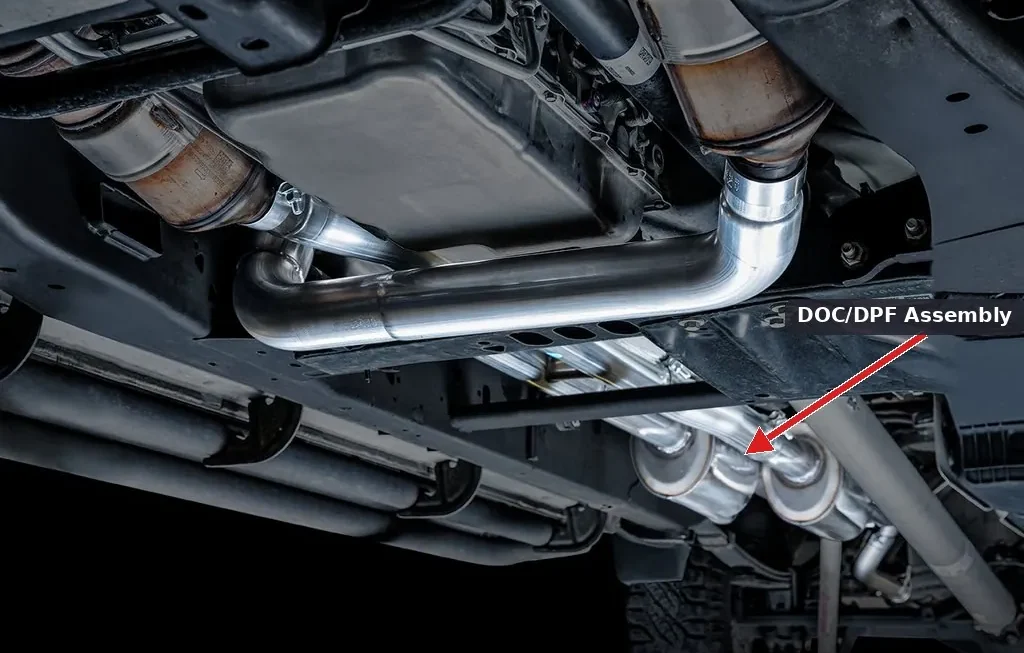
A diesel truck can lose its edge long before it feels broken. Diesel Oxidation Catalyst symptoms often start as a small drop in pull, a sour exhaust smell, or regen behavior that feels off from the driver’s seat. The DOC sits early in the aftertreatment chain, so when it gets coated, face-plugged, oil-fouled, or heat-damaged, the whole exhaust system has to work around that weakness. For a U.S. owner, fleet tech, or DIY diesel driver, that matters because the wrong guess can turn one service visit into a costly parts swap. A weak turbo, dirty sensor, loaded DPF, or restricted DOC can feel almost the same at first. The smart move is to read the pattern, not one symptom alone. Good diesel diagnosis works the same way as practical automotive reporting: the answer sits in the details most people skip. Your best clue may be a small change on a familiar road, not a dramatic warning on the dash.
Why DOC Restriction Hurts the Whole Exhaust System
The DOC does not act like a simple pipe with a filter stuffed inside it. It has a coated honeycomb core that lets exhaust pass through while chemical reactions happen on the surface. When that face or core starts to clog, diesel exhaust efficiency drops because flow, temperature, and sensor logic all move out of their normal range. The driver may feel it as weak power, but the truck may be fighting three problems at once: less flow, poorer heat control, and cleanup chemistry that no longer keeps pace. That chain reaction matters on American diesels because modern pickups, vans, and medium-duty trucks do not treat the DOC as an isolated part. The engine computer watches the whole aftertreatment path and may reduce power when the numbers drift too far. A small flow problem can therefore feel like a broad engine problem before any single part looks guilty.
The Small Bottleneck That Makes a Big Engine Feel Tired
A pickup that tows a camper through western Pennsylvania may still start clean, idle fine, and pass a quick driveway rev test. Then it hits a grade on I-76 and feels lazy. The driver presses deeper into the pedal, the turbo sounds busier, and fuel use climbs even though road speed has not changed much.
That is the trap. A restricted DOC can hide during light driving because the engine does not ask the exhaust system to move much gas. Under load, the restriction shows itself. Exhaust backpressure rises, the turbo works against a tighter path, and the engine loses some of the breathing room it needs.
The non-obvious part is that the DOC may not be the most blocked part in the system. It may only be blocked enough to disturb the parts behind it. That small upstream problem can push the DPF into shorter regen cycles, confuse temperature readings, and make a healthy engine look worn. A driver may describe the truck as “heavy,” which sounds vague but often fits. It does not misfire. It does not shake. It simply takes more pedal than it used to take.
Why Heat, Soot, and Oil Tell a Better Story Than Mileage
Mileage alone gives a poor clue. A 190,000-mile highway truck can have a cleaner DOC than a 70,000-mile delivery van that idles outside restaurants all winter. Heat matters. Load matters. Short trips matter. So does what the engine sends into the pipe.
Fuel that does not burn cleanly, turbo seal seepage, coolant contamination, and long idle time can coat the inlet face. Once the surface gets dirty, the DOC cannot treat hydrocarbons and carbon monoxide as well, and diesel exhaust efficiency falls even if the truck still runs.
This is why a scan tool snapshot beats a guess. Look at exhaust temperature behavior, regen frequency, DPF soot load estimates, and pressure readings together. A single code may point downstream, but the cause may sit upstream where the exhaust first meets the aftertreatment brick. The best clue often comes from the story before the code. Did the truck start using oil? Did a fuel injector get noisy? Did the owner ignore a boost leak for months? A DOC does not choose to clog in isolation. It usually receives the bill for another fault.
Diesel Oxidation Catalyst Symptoms That Separate a Restriction From a Normal Diesel Mood
Older diesel owners often know their trucks by feel. They can hear a boost leak, smell an overfueling issue, or notice when the exhaust note changes. Still, DOC trouble can mimic too many other faults. You need a symptom set, not a hunch. The strongest pattern mixes driver complaints with data: power that fades under work, regens that come too often, heat that seems uneven, and fuel use that rises without a clear change in route. One symptom can mislead you. A pattern can save you from replacing a good DPF, a good turbo, or a sensor that only reported the mess.
Power Loss That Shows Up Under Load First
The classic sign is a truck that feels normal around town but flat when it has to work. A Ram, Ford Super Duty, or Duramax-powered work truck may cruise without drama, then struggle while merging with a trailer or climbing into the Rockies. The pedal goes down. The response arrives late.
That kind of power loss does not always mean the engine lacks fuel or boost. A restricted DOC can raise exhaust backpressure enough to slow the air path. The turbo may still build pressure, but it takes more effort, and the engine control system may reduce fueling to protect parts from heat.
A useful test is to compare the complaint against load. No-load revving in the bay may tell you almost nothing. A road test with live data gives a cleaner picture. Watch boost command, actual boost, exhaust temperature rise, and pressure behavior while the truck works. You may also notice the problem more in hot weather. A truck that felt acceptable in March may feel dull in August with a trailer, the A/C on, and a long ramp ahead. Heat leaves less margin. A half-restricted exhaust system shows its weakness when margin disappears.
Regens That Feel Too Frequent, Too Hot, or Too Weak
A restricted DOC often creates a regen story. The driver may say the truck keeps asking for highway time, burns extra fuel, smells hot, or finishes a regen only to request another one soon. That does not prove the DOC failed, but it should move the part higher on the list.
The DOC helps create the heat needed downstream. If its face plugs or its coating loses activity, the system may struggle to reach the right temperature at the right point. The DPF then gets blamed because that is where soot storage happens. The upstream cause stays hidden.
Here is the odd part: a bad DOC can make the exhaust both too restricted and not hot enough in the right place. The pipe may smell hot. The sensors may show uneven heat. Yet the downstream cleanup process still falls short. That mismatch is where many parts bills start. Smell can help, but it can also lie. A sharp diesel odor may suggest unburned fuel or weak oxidation. A hot metallic smell may come from regen heat. Neither smell names the failed part. Treat odor as a clue, then demand numbers before spending money.
Testing a Restricted DOC Without Replacing Good Parts
A good diesel shop does not start with the most expensive box under the truck. It starts with proof. The DOC sits in a chain, so diagnosis has to separate engine output, sensor accuracy, exhaust leaks, DPF condition, and SCR behavior before anyone orders parts. That approach saves money because several faults can create the same dashboard message. It also protects the new part from the old cause. The goal is not to prove the DOC guilty. The goal is to find the point where normal flow, normal heat, or normal pressure stops making sense.
Use Data Before You Blame the Brick
Scan data should show more than a fault code. The useful clues include exhaust temperature sensor readings before and after the DOC, differential pressure trends where fitted, regen history, soot load estimates, and any derate events. Many U.S. work trucks carry enough data to build a timeline.
A tech working on a fleet van in Dallas might see a pattern: short idle-heavy routes, repeated incomplete regens, rising fuel use, and a pressure trend that climbs faster than expected under load. That points toward flow trouble, but it still does not prove which part has the restriction.
Visual inspection helps when done with care. A face-plugged inlet can show soot, ash, oil film, or uneven discoloring. An exhaust leak ahead of the DOC can also fool the system by changing oxygen and temperature behavior. For a deeper path, diesel particulate filter warning signs can sit beside DOC clues in the same complaint. Data also helps keep emotion out of the bay. Owners may arrive convinced the DPF is bad because the screen mentions regen. A parts counter may push a sensor because the code mentions temperature. The truck does not care about the label. It cares about flow, heat, pressure, and combustion quality.
Backpressure Testing Beats Guesswork
Exhaust backpressure testing gives the complaint a number. The exact test point depends on the engine and layout, but the idea stays plain: measure pressure before and after likely restrictions under the right load. A lazy idle reading may miss the fault. The truck has to breathe hard enough to show the choke point.
Pressure that rises too fast under load can explain slow turbo response, heat complaints, and weak pull. If pressure stays normal before the DOC but rises later, the fault may sit downstream. If pressure is high before the DOC, the upstream section deserves attention. That is how you keep the DPF from taking blame for a DOC problem.
The better shops also check sensor trust. A biased pressure sensor or exhaust temperature sensor can make a good part look guilty. Replacing a four-figure aftertreatment part because a cheap sensor lied is painful. It happens more often than owners want to hear. A manual gauge can still earn its place beside a scan tool. Live data shows what the module thinks. A physical pressure check shows what the exhaust is doing. When both stories match, the diagnosis gains weight. When they do not match, stop and find out why before ordering parts.
Fixing the Cause and Restoring Diesel Exhaust Efficiency
Most DOC failures are not random. The part sits downstream from every choice the engine makes. Bad combustion, oil entry, coolant leaks, idle habits, poor maintenance, and ignored warning lights all leave a trail. The DOC catches the mess until it becomes the complaint. Repair should do more than clear a code. It should explain why the restriction formed, what the old part shows, and how the truck will avoid the same failure again. That matters for owner-operators, municipal fleets, contractors, and anyone who cannot afford repeat downtime. A repair that lacks a cause report is not finished.
Idle Time, Short Trips, and Engine Faults Can Age the System Fast
A diesel that never gets hot enough lives a hard life. Think of a plumbing contractor’s truck in Chicago. It starts cold, runs six blocks, idles while tools get loaded, then shuts off again. The engine may be low-mileage, but the aftertreatment system sees repeated cool operation and partial heat cycles.
That pattern can feed soot and unburned fuel into the exhaust. The DOC needs enough heat to work well. When heat stays low, deposits can build and diesel exhaust efficiency slips. Later, when the driver finally takes the truck on the highway, the system may have to fight through buildup that formed during months of soft use.
The counterintuitive answer is not to drive it hard all the time. The answer is to give the system the kind of work it was built for at fair intervals. Longer warmed-up drives, fewer long idle sessions, and fast repair of fueling or air leaks do more than any miracle cleaner. A DOC can also look like the villain when it is only the witness. A dripping injector, sticky EGR valve, weak turbo seal, or crankcase ventilation issue can send extra soot, oil, or unburned fuel into the exhaust. For turbo-related overlap, turbocharger boost loss diagnosis gives a useful companion check.
Clean, Replace, or Keep Diagnosing With Proof
Cleaning can help when the inlet face has soot or ash buildup but the core still looks intact. The shop should follow a process meant for aftertreatment parts, not a backyard soak that damages coatings or leaves moisture trapped inside. Harsh shortcuts can turn a recoverable part into scrap.
Heat damage changes the decision. If the substrate has melted, cracked, or shifted, cleaning will not restore normal flow. Oil poisoning and coolant contamination can also hurt the coating in ways a rinse cannot fix. In those cases, the part may pass air better after cleaning but still fail its chemical job.
The practical sign is repeat behavior. If cleaning lowers pressure and regens return to normal, you gained time. If the truck comes back with the same pressure rise and heat pattern, the DOC may have reached the end. The EPA describes DOCs and DPFs as diesel exhaust aftertreatment devices in its clean diesel technology overview, which is a helpful baseline when sorting function from folklore. A replacement invoice should not end with the part number. Ask for photos of the inlet face, sensor readings before and after repair, and a note on fuel, oil, coolant, boost, and regen history. A good outcome feels boring: power returns, regens space out, fuel use steadies, and the exhaust smell fades.
Conclusion
A restricted DOC does not always announce itself with smoke, noise, or a clean one-line fault code. It often shows up as tired pulling power, odd regen rhythm, heat complaints, and rising fuel costs that creep into normal driving. That is why diagnosis has to follow the airflow and the heat path instead of chasing the loudest warning light. A truck with Diesel Oxidation Catalyst trouble needs proof from road data, pressure testing, sensor checks, and a close look at upstream engine health. Replace parts only after the pattern makes sense, and never ignore the engine issue that may have contaminated the part in the first place. That steadier result matters for anyone who depends on a truck for towing, service calls, deliveries, or weekend travel. When you treat the DOC as part of a system, not a mystery can in the exhaust, the repair gets cleaner and the truck gets back to doing work. The payoff is simple: fewer repeat visits, steadier fuel use, and a diesel that feels honest again.
Frequently Asked Questions
What are the first signs of a restricted DOC on a diesel truck?
Early signs often include weaker pull under load, higher fuel use, more frequent regens, hot exhaust smells, and occasional derate warnings. The truck may still idle and cruise well, so the problem can stay hidden until towing, climbing, or long highway driving.
Can a blocked DOC cause poor fuel economy?
Yes. Extra exhaust backpressure can make the engine work harder to move exhaust gas out. The control system may also change fueling and regen behavior. The result can feel like a fuel economy problem before it feels like a repair problem.
Is a DOC problem the same as a DPF problem?
No. The DOC sits upstream and helps treat certain exhaust compounds and support heat for downstream cleanup. The DPF stores soot. A failing DOC can cause DPF complaints, which is why replacing or cleaning the DPF alone may not fix the cause.
How does a mechanic test for DOC restriction?
A mechanic may review scan data, check exhaust temperature patterns, inspect the inlet face, test pressure under load, and compare readings across the aftertreatment system. A road test often matters because idle checks may not create enough flow to reveal the restriction.
Can a restricted DOC damage the turbo?
It can add stress to the turbo system by increasing exhaust resistance and slowing normal flow. That does not mean the turbo fails right away. It means a long-ignored restriction can raise heat, delay response, and make boost control problems harder to sort.
Should I clean or replace a restricted DOC?
Cleaning may help if soot or ash buildup causes the restriction and the core remains sound. Replacement makes more sense when the substrate has melted, cracked, shifted, or suffered chemical contamination. The upstream cause should be repaired either way.
Why do short trips make DOC problems worse?
Short trips may keep exhaust temperature too low for steady aftertreatment operation. Repeated cold starts, idle time, and incomplete heat cycles can leave more deposits in the exhaust path. Over time, that pattern can reduce flow and make regens less effective.
Can I keep driving with DOC restriction symptoms?
Light driving may seem possible, but the risk grows as backpressure, heat, and regen problems build. Continued driving can lead to derate, DPF loading, poor fuel use, and higher repair cost. A proper diagnosis soon is usually cheaper than waiting.