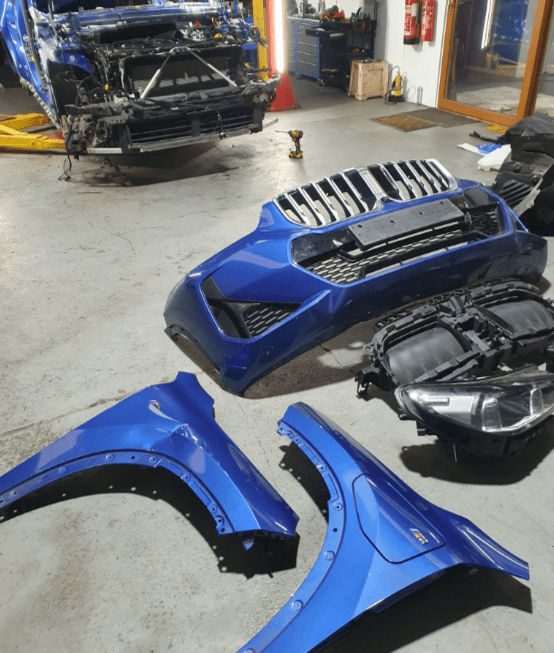


A clean Integrale can look perfect from six feet away and still be quietly losing metal behind the trim. That is what makes a Lancia Delta Integrale Rust Prevention plan different from normal old-car care. You are not only washing, waxing, and parking it nicely. You are protecting seams, boxed sections, wheel arches, and hidden brackets that were never designed for thirty-plus years of collector life in Ohio, New York, Florida, Texas, or coastal California. Many U.S. owners are dealing with imported cars now, since NHTSA says vehicles at least 25 years old can be old brought into the United States without meeting current Federal Motor Vehicle Safety Standarch1 That makes preservation matter from day one, not after bubbles show up. Good collector car rust protection starts with inspection, then drying, then sealing, then steady habits. The goal is not to turn the car into a museum shell. The goal is to drive it without letting moisture write the repair bill. For more collector ownership planning, automotive enthusiast resources can help you think beyond the first purchase price.
Why Lancia Delta Integrale Rust Prevention Starts Before Rust Appears
The first mistake is waiting for orange stains. By the time rust shows on the outside of an Integrale, it may have already spread behind a seam, under seam sealer, or inside a closed panel. That is why the best owners treat prevention as part of purchase prep, not a winter project they might do someday.
Hidden seams matter more than shiny paint
Fresh paint can lie. A glossy red Evo sitting under show lights may hide damp insulation, blocked drain holes, and weak arch lips. Several buyer guides point to the inner and outer wings, wheelarches, door bottoms, sills, valances, front panel, and rear roof edge as common inspection points on these cach4
That rear roof edge deserves special respect because water can sit near the tailgate hinge area. It is not a dramatic place, so buyers miss it. They stare at flared arches and Speedline wheels while the roof seam quietly tells the truth.
A smart inspection starts with the boring places. Pull back rubber seals. Look under the hatch. Check the bottoms of doors with a flashlight. Feel the inside lip of each arch. If your finger comes back with damp grit, you have found the first warning sign.
U.S. storage habits can help or hurt
Many American collectors assume a garage solves rust. It helps, but only if the space is dry and air moves through it. A sealed garage in a humid part of Florida can trap moisture around the car after a rainy drive. A heated garage in Michigan can speed corrosion if road salt melts and sits in seams.
The counterintuitive move is simple: airflow often matters more than warmth. A cool, dry space with a fan, clean floor, and low humidity is kinder than a warm, damp garage that feels nicer to you.
Use a hygrometer, not guesswork. Keep relative humidity under control, dry the car before covering it, and never put a tight cover over a damp body. That one habit can save the Delta Integrale bodywork from the slow damage that starts while the car is “safely stored.”
For a deeper ownership checklist, add your own notes beside classic car storage planning so seasonal changes do not catch you off guard.
Finding Rust-Prone Areas Before They Become Repairs
Once you accept that hidden moisture is the enemy, the next step is mapping the car. The Integrale has a tough rally image, but the shell still has old seams, old sealers, and many places where mud can sit. You need a method, not a casual look after washing.
Wheel arches, sills, and valances need patient inspection
Start at the front arches. Remove the arch liners if the car has them, then clean behind them. Mud often packs into edges where metal panels overlap. That dirt holds water long after the rest of the car looks dry.
Move to the rear arches, then the sills. Tap gently with your knuckle, not a screwdriver. You are listening for changes in tone. A dull area does not prove disaster, but it deserves closer inspection by a body shop that understands classic Lancia corrosion.
Front and rear valances also need attention because they catch road spray. A car that spent years in Europe may carry old moisture damage even if it now lives in Arizona. Dry climate ownership slows rust. It does not erase the car’s past.
Doors, roof edges, and hatch drains tell the real story
Door bottoms are small diaries. They show whether drain holes stayed open and whether the car was put away wet. Open each door, look along the lower seam, and check for swelling under paint. Even tiny bubbles can mean moisture is trapped inside the fold.
The hatch area needs the same care. PistonHeads lists the roof trailing edge, arches, doors, turrets, and other body points among the places corrosion can attack on the Delta HF Integrach0 That matches what many owners learn the expensive way.
Do not forget the strut turrets. They are structural areas, not cosmetic zones. If rust appears there, the conversation changes from preservation to safety and shell repair. That is when you want a specialist, not a general collision shop that treats the car like an old hatchback.
A practical move: photograph every problem area during each inspection. Same angle. Same lighting. Same date. Rust prevention gets easier when you can see whether a mark changed over six months.
Cleaning, Sealing, and Treating the Shell the Right Way
Inspection only tells you where the fight is. Cleaning and sealing decide whether you win it. The trick is to avoid trapping moisture under products that look protective but hide trouble. Rust care fails when owners rush from dirty metal straight to wax or coating.
Dry cleaning beats aggressive washing in tight areas
Water is not evil. Dirty trapped water is. After a drive in rain, rinse the wheel wells and lower panels, but do not leave the car sitting wet. Blow out seams with compressed air or a small blower. Open the doors and hatch. Let the hidden edges dry.
This sounds fussy until you price rust repair on an imported Integrale shell. Then it sounds cheap.
Avoid pressure-washing old seams at close range. High pressure can force water behind trim, into door cavities, and under tired sealant. A gentle rinse, soft brush, and patient drying are safer for collector car rust protection than blasting every corner like a modern truck.
For underbody cleaning, lift the car safely and inspect while you work. Look for cracked underseal, loose seam sealer, and areas where old protection has lifted. A lifted edge is a pocket. Pockets hold water.
Cavity wax works only after proper prep
Cavity wax can be a great tool for the Delta Integrale bodywork, but it is not magic. It needs clean, dry cavities and proper access. Spraying wax into damp dirt creates a sealed mess. The outside looks treated while corrosion keeps chewing beneath it.
Use products meant for internal cavities, seams, and enclosed sections. Apply them through proper access points, with a wand that gives full coverage. Sills, door interiors, rear quarter cavities, hatch seams, and front structure areas all deserve attention.
The non-obvious point: more product is not always better. Thick buildup can block drains. Your aim is coverage, not clogging. After treatment, confirm drain paths still work.
Underbody coatings need the same restraint. If the original coating is sound, clean it and repair small failures. If it is cracked and hiding rust, stripping localized areas may be wiser. A specialist can test suspect spots without tearing the whole car apart.
For repair planning, keep notes beside vintage performance car maintenance. The more you document, the easier it is to prove care when you insure, sell, or restore the car.
Driving, Storing, and Maintaining an Integrale in the U.S.
A collector car should not become a statue unless that is your choice. The Integrale was built with noise, boost, grip, and weather in its story. Still, American roads add their own problems: salt belts, humid summers, long freeway spray, dusty storage lots, and sudden coastal air.
Road salt is the line you should not cross
If you live where winter salt is used, keep the Integrale off salted roads. That sounds strict because it is. One sunny January drive in Chicago or New Jersey can coat seams with brine that keeps working long after the car is parked.
A dry cold day is not the issue. Salt residue is. Even roads that look clear can carry fine white dust that sticks to the underside. When the temperature rises or the garage warms, moisture wakes it up.
If you accidentally drive through salt, rinse the underside as soon as practical, then dry it well. Do not park it dirty and promise yourself you will clean it next weekend. That is how small mistakes become springtime bubbles.
For coastal owners, salt air asks for a different rhythm. Cars near the Pacific, Gulf Coast, or Atlantic shore need more frequent washing, more careful drying, and closer checks around seams and hardware.
Regular use can be healthier than frozen storage
Here is the part some collectors miss: never driving the car can hurt it. Seals dry. Condensation gathers. Brake parts sit. Moisture stays in places that normal heat cycles would help dry.
A short, careless run is not enough. You want a proper drive long enough to warm the drivetrain, dry the exhaust, and move air through the car. Then park it clean and dry. That pattern is better than starting it for five minutes in the garage, which adds moisture without real benefit.
Keep the cabin dry too. Wet carpets are rust risks, not comfort problems. Check windshield seals, hatch seals, heater core signs, and floor insulation. If the inside smells musty, investigate. Classic Lancia corrosion does not care whether water entered from outside, underneath, or a tired seal.
The best owners build a simple calendar: spring inspection, summer cleaning, fall cavity check, winter storage review. No drama. No panic. Steady attention is what keeps an Integrale solid.
Conclusion
Rust prevention on an Integrale is not about fear. It is about respect for a rare car that has already survived decades, import journeys, changing owners, and climates it was never asked to master. The smartest path is plain: inspect hidden areas, dry the shell, keep drains open, protect cavities, and avoid salt like it is a bad mechanic with a spray gun. A Lancia Delta Integrale Rust Prevention routine also protects value, because buyers pay for proof, not promises. Photos, receipts, and inspection notes show that you cared before trouble showed itself. That record matters in the U.S. collector market, where many cars arrive with unknown European history. Treat the body as part of the drivetrain. Both decide whether the car stays alive. Start with one careful inspection this week, then make prevention a habit you never have to regret.
Frequently Asked Questions
How often should I inspect a Lancia Delta Integrale for rust?
Twice a year is a good rhythm for most U.S. owners. Check once before driving season and once before storage. Cars in coastal areas, humid regions, or salt-belt states need more frequent checks, especially around arches, sills, door bottoms, and hatch seams.
What is the best rust protection for an imported Integrale?
A mix of careful cleaning, dry storage, cavity wax, drain maintenance, and selective underbody protection works best. The shell must be clean and dry before treatment. Spraying protection over damp dirt can hide corrosion instead of stopping it.
Should I drive my Integrale in the rain?
Occasional rain is manageable if the car is clean, sealed, and dried after the drive. The bigger risk is trapped moisture. Open the doors and hatch after washing or rain, dry lower edges, and avoid putting a cover on the car while it is damp.
Are Lancia Delta Integrales worse for rust than other classic cars?
They are not immune, but they are not doomed either. Many rust problems come from age, storage, old repairs, blocked drains, and climates. The Integrale needs careful inspection because some problem areas stay hidden until repair costs rise fast.
Can a body shop fix rusty Integrale sills?
Yes, but choose a shop with classic European or rally-car shell experience. Sill repairs affect structure, panel fit, and future value. Cheap patchwork may look fine for one season, then crack, bubble, or trap more moisture behind fresh paint.
Is undercoating a good idea on a collector Integrale?
It can help only when applied over clean, dry, sound metal. Thick coating over rust or cracked old sealant is risky. It may trap moisture and hide damage. Many owners are better served by targeted repairs and cavity wax first.
What garage humidity is safe for a classic Lancia?
A dry, stable garage is the goal. Use a hygrometer and avoid damp, sealed storage. Air movement matters. A cooler garage with low moisture can be safer than a warm garage that traps humid air around the car after washing or rain.
What should I check before buying a Delta Integrale in the U.S.?
Inspect arches, sills, door bottoms, valances, strut turrets, front structure, rear roof edge, hatch area, and floor sections. Ask for underside photos and rust repair records. A pre-purchase inspection by a knowledgeable specialist is cheaper than discovering hidden corrosion laer.