
Buying an electric truck or SUV should not feel like surviving a weekend at a sales desk. The Rivian Delivery Center approach changes that mood fast because the handoff, service setup, and follow-up care sit closer to a tech appointment than a classic dealer visit. For American buyers comparing EV ownership, automotive ownership coverage often misses the plain truth: the best model depends on how far you live from help when something goes wrong. Rivian’s official service pages describe app-based service requests, appointment-only visits, remote diagnostics, mobile service, and a growing U.S. service network, which makes the experience feel cleaner on paper. It also creates a sharper tradeoff. Traditional dealerships can feel pushy, crowded, and uneven, but they are still everywhere. Rivian feels calmer and more controlled, but distance, state sales rules, and repair capacity can shape your real ownership story.
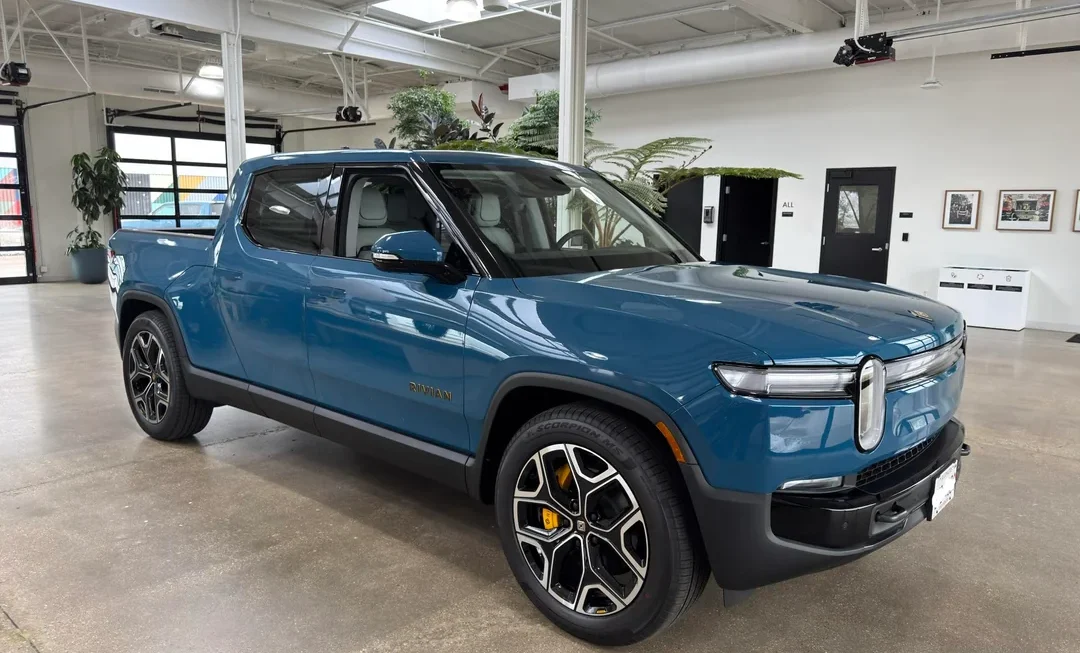
How the Rivian Delivery Center Model Changes the First Visit
The biggest difference starts before anyone touches the keys. A normal dealer visit often carries old baggage: negotiation, add-ons, manager approvals, and that strange pause where you wait while someone “checks the numbers.” Rivian removes much of that theater. That alone makes the first visit feel more adult.
Why the handoff feels less like a sales floor
At a traditional dealership, the showroom is built to sell. Even after you have bought the vehicle, the space still smells like the next deal. A finance office may pitch protection plans. A salesperson may rush because another walk-in arrived. The delivery bay can feel like a finish line for the dealer, not the starting line for your ownership.
Rivian’s handoff feels different because the vehicle is already the center of the appointment. You are not wandering past rows of unrelated models or listening to someone explain a rebate on a gas SUV. The focus stays on the screen, charging, drive modes, storage areas, gear tunnel use, and the app. That is a better fit for an EV buyer who has questions, not a buyer who wants a sales performance.
There is a catch. A calm handoff can hide how new the service system still feels in some regions. A buyer in Los Angeles, Denver, or Atlanta may see a nearby service hub and feel covered. A buyer in a rural part of Arkansas or northern Maine may feel the gap on day one. The delivery can be polished while the local support map still feels thin.
What appointment-only service means after delivery
Rivian says service center visits are by appointment and owners can report issues through the app or by calling the support team. That is a cleaner setup than driving into a service lane and hoping a writer can squeeze you in. It also matches how many EV issues are reported now: photos, software notes, diagnostic data, then a planned fix.
That works well for small problems. A trim rattle, sensor warning, tire question, or charge-port concern can be documented before the visit. You do not need to retell the story three times at a counter. A Rivian service center can already know why you are coming, which parts may be needed, and whether mobile service can handle it.
Still, appointment-only care has a colder edge when the vehicle is down. Traditional dealership service can be messy, but a nearby dealer may at least look at the car that week. Rivian’s model asks you to trust a queue. When it works, it feels organized. When it does not, the wait feels personal because there is no familiar local advisor you can nudge.
Service Access Feels Cleaner Until Distance Gets Involved
The service experience is where Rivian wins praise and earns complaints for the same reason. The system is centralized. That means fewer random dealer habits, fewer mixed messages, and a more direct line to the company. It also means the owner’s address matters more than it does with older brands.
Why mobile repair sounds easier than it always is
Rivian promotes remote care and says its diagnostics platform can help identify and resolve many issues without the vehicle leaving the owner’s sight. That is the right idea for an EV. Software, sensors, and connected systems can narrow the problem before a wrench comes out.
Mobile service is the part buyers love to talk about. The idea is simple: a trained Rivian tech comes to your driveway or office instead of you losing half a day in a waiting room. For basic inspections, small adjustments, software-related checks, light parts replacement, or minor fit-and-finish work, that can feel better than traditional dealership service.
The non-obvious part is that mobile service is not magic. A repair that needs a lift, heavy equipment, paint work, structural inspection, or deeper diagnostic time still belongs in a shop. That is where expectations can break. If you buy thinking every problem comes to your driveway, the first tow or long drive to a service hub will feel like betrayal. It is not always bad service. Sometimes it is the limit of doing car repair in a parking space.
The hidden cost of living far from a service center
Rivian lists service locations across many U.S. states, including dense coverage in places such as California, Florida, New York, Texas, and parts of the Midwest. The map looks much stronger than it did when early owners were taking longer trips for service, but America is wide. Coverage on a web page does not erase a four-hour drive.
This is where the traditional dealership system still has muscle. A Ford, Toyota, or Chevrolet owner can often find a dealer within a reasonable drive, even outside a major metro. The experience may be uneven, yet the network is familiar. You can drop the vehicle before work, pick up a loaner if available, and call a local person who sees you as more than a ticket number.
For Rivian, the better question is not “Does the company offer service near me?” Ask how a hard repair would play out on a Tuesday morning. Who transports the vehicle? How long is the queue? Can mobile service do the first diagnosis? Is there a rental plan, rideshare credit, or loaner? A buyer near the San Francisco Bay Area has a different risk profile from a buyer three hours from the nearest hub. Same vehicle. Different ownership math.
Where Traditional Dealers Still Win the Human Side
Dealer service gets mocked for good reasons. Some stores overbook. Some advisors speak in fog. Some repair estimates feel padded. Yet the dealership model has survived because it solves one practical problem: people like having a nearby building full of parts, lifts, technicians, and someone to blame.
Why a dealer lobby can be annoying and still useful
A traditional service lobby can test your patience. There is usually coffee you did not ask for, a television no one controls, and a row of customers staring at their phones. Still, that space gives owners a sense of presence. You can point to the noise, ask for a ride, request an update, or push back on a recommendation in person.
That matters when the problem is hard to explain. A suspension clunk on a cold morning. A wind noise that appears at 68 mph. A seat squeak that disappears when the technician rides along. Traditional dealership service often allows that awkward, human back-and-forth. It is not elegant, but it can catch issues that app notes miss.
Rivian’s model can feel cleaner, yet less tactile. You may submit photos, timestamps, and descriptions. That creates a record. But some owners still want a person standing beside the vehicle, hearing the sound with them. The counterintuitive truth is that the old service lane, for all its flaws, can sometimes be better at messy problems because cars fail in messy ways.
How price pressure changes the repair conversation
Traditional dealerships operate as local businesses tied to a national brand. That creates tension. The dealer wants service profit. The manufacturer wants warranty control. The customer wants the car fixed without drama. Those goals do not always line up, which is why owners often feel caught in the middle.
Rivian removes that split. The company selling the vehicle is also closely tied to the service experience. That can reduce finger-pointing. Nobody can say, “Corporate denied it,” while pretending the store has no role. For warranty issues, direct accountability can feel refreshing.
But direct control also removes one tool customers sometimes use: shopping between dealers. If one dealer gives a poor answer, an owner may try another store across town. With Rivian, your path is narrower. You can escalate, document, and request another review, but you are still inside the same service system. That is simpler. It is also less flexible.
What American Buyers Should Weigh Before Choosing the Direct Model
The Rivian experience is not only about nicer delivery rooms and fewer sales games. It sits inside a larger U.S. fight over direct-to-consumer vehicle sales, franchise laws, and how EV makers should support owners after purchase. That legal backdrop may sound dry, but it shapes where you can buy, take delivery, and receive service.
Direct-to-consumer vehicle sales are not the same in every state
The U.S. Department of Justice has noted that direct manufacturer auto sales face restrictions in many states because franchise laws often require new vehicles to be sold through dealers. That is the legal wall companies like Rivian keep running into, even when buyers would rather order online and pick up through a company-run site. This U.S. Department of Justice note on direct manufacturer auto sales gives useful background on why the issue exists.
That is why the experience can vary by state. In one place, Rivian may sell and service through a cleaner direct channel. In another, a buyer may face extra steps because state law protects the franchise dealer model. Recent legal fights, including Rivian’s Ohio lawsuit over direct sales limits, show that this is still an active issue, not old industry trivia.
For buyers, direct-to-consumer vehicle sales sound simple until the local rules get involved. You may love the online order process and still need to understand where the sale is completed, where delivery happens, and what your state allows. That matters more with Rivian than with a brand that has franchised dealers sitting in every metro area.
The better question is how you handle downtime
Most buyers compare delivery experience first because that is the fun part. The smarter buyer studies downtime. A truck that needs a module, glass adjustment, alignment check, or charging-system diagnosis can turn a smooth purchase into a family logistics problem.
Before ordering, map your real week. Do you have another car? Can you work from home if mobile service comes? Is the nearest Rivian service center close enough for a morning drop-off? Would a two-day repair create pressure with school pickup, job sites, or weekend travel? This is where an EV maintenance checklist and an electric truck ownership guide can save you from buying on emotion alone.
The most balanced view is also the least dramatic. Rivian’s model is better for buyers who value low-pressure delivery, direct accountability, software-aware service, and clean communication. Traditional dealership service is better for buyers who value local density, in-person negotiation, and backup options when one store disappoints. Neither system is perfect. The winner depends on your ZIP code as much as your taste.
Conclusion
The new EV ownership model feels calm because it removes the parts of car buying that many Americans learned to dread. No desk games. No wandering through a lot full of unrelated inventory. No service counter that treats an electric truck like a strange guest. Yet calm is not the same as convenient. The Rivian Delivery Center experience works best when the buyer lives near support, understands mobile-service limits, and accepts a more centralized repair path. A traditional dealer may feel dated, but its local reach still matters when a vehicle needs hands-on work fast. That is the real comparison. Do not judge either model by the delivery day alone. Judge it by the worst Tuesday you can imagine with a warning light on, work in an hour, and a service appointment still pending. Choose the system that can carry you through that day.
Frequently Asked Questions
How is Rivian service different from a traditional dealership?
Rivian service is more centralized and app-driven, with appointment-based visits, remote diagnostics, and mobile repair for some issues. A traditional dealer usually offers more local access, walk-in familiarity, and multiple nearby stores, but the experience can vary by franchise.
Is Rivian mobile service enough for most owners?
It can cover many smaller needs, but it is not a full shop on wheels. Repairs needing lifts, heavy tools, body work, or deeper diagnostics may still require a service center visit. Your distance from a hub matters.
Do Rivian owners have to visit a service center for every problem?
No. Some concerns can start through the app, remote diagnostics, or mobile service. A service center visit becomes more likely when the repair needs shop equipment, safety checks, parts staging, or more time than a mobile appointment can support.
Is a traditional dealership better for emergency repairs?
Often, yes, if the brand has a nearby dealer with open capacity. Dealerships may still be slow, but their local density helps. Rivian can work well near major service areas, though long-distance owners should plan for transport and scheduling.
Does buying direct from Rivian save time?
It can save time during ordering and delivery because there is less negotiation and fewer sales-office steps. The time savings can shrink later if you live far from service or need a repair that cannot be handled by mobile support.
Why do some states make direct EV sales harder?
Many states have franchise laws built around dealer networks. Those rules can limit how manufacturers sell vehicles directly to consumers. EV makers that do not use franchised dealers must work around or challenge those laws state by state.
Should I buy a Rivian if I live far from service?
It depends on your backup transportation, patience, and repair risk comfort. Long-distance ownership can work, but you should confirm the nearest service option, mobile coverage, towing process, and how Rivian handles downtime before placing an order.
What should I ask before taking delivery of a Rivian?
Ask where your nearest service center is, what mobile service can handle, how warranty repairs are scheduled, what happens if the vehicle cannot be driven, and whether loaner or rental support is available in your area.