

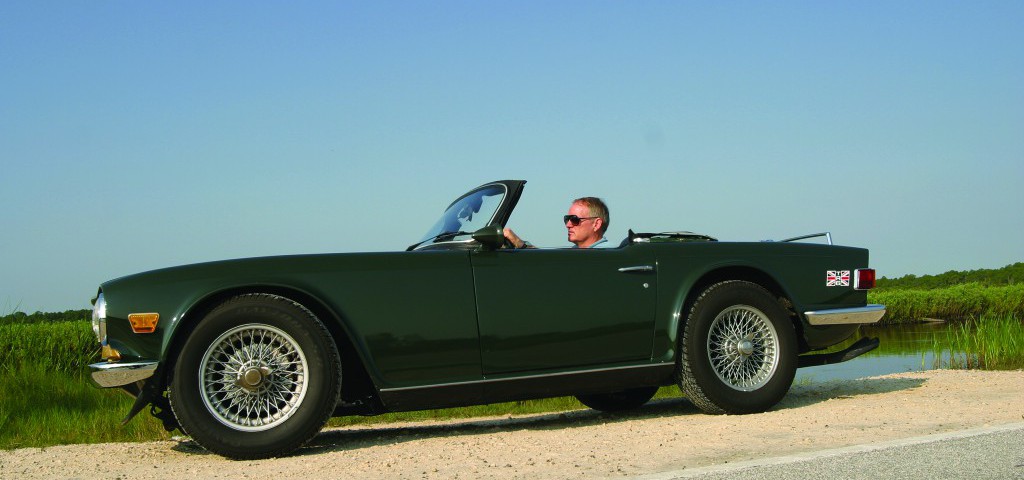
A TR6 can sound healthy in the driveway and still feel wrong once you ease into traffic. The idle may lope, the exhaust may puff unevenly, and the throttle may answer with a soft stumble instead of that clean six-cylinder pull. Carburetor synchronization is the job that brings both carburetors back into the same conversation, so each half of the engine receives the same air at the same moment. On U.S.-market cars, that often means working with twin Zenith Stromberg carburetors, a setup shaped by the emissions era rather than by racing romance. Classic Motorsports notes that Triumph had used Zenith Stromberg units for years, and that later U.S. emissions needs pushed the CDSE type into service. The answer is not to twist every screw until the idle sounds nicer for ten seconds. Start with heat in the engine, a fully released choke, sound ignition, and linkage that is free enough to let each carb speak for itself. Then the old roadster starts to feel less fussy and more alive.
Why Carburetor Synchronization Matters on a TR6
The TR6’s straight-six does not ask for perfection in a lab-coat sense. It asks for even work across all six cylinders. When the front carb pulls more air than the rear, the engine can still run, but it runs like a team with one side rowing harder than the other. That is why a tired tune often feels worse at parking-lot speed than on a wide road. The flywheel can hide small sins once the revs rise. Idle exposes them.
Why equal airflow changes the whole driving feel
Think of the two carburetors as two doors feeding one busy room. If one door opens wider, people still enter, but the flow is awkward. On a TR6, that awkward flow shows up as a shaky idle, a hesitant first inch of throttle, and a tailpipe note that seems to cough from one side of the firing order.
Dual carb balance is less about chasing a magic number and more about matching behavior. A Uni-Syn or similar airflow meter helps because your ear can lie, especially near a loud cooling fan and a warm exhaust manifold. The common method is simple: warm the engine, make sure the choke is off, loosen the throttle interlinkage, then compare airflow at each carb throat and adjust until both readings match. Mike’s Carburetor Parts lays out that same sequence, including linkage separation before final matching.
The non-obvious part is that equal airflow can make the idle speed drop at first. That can scare people into undoing the work. Don’t. A high idle often hides imbalance. Once the carbs share the load, you set final idle speed after the match, not before it.
Why the TR6 punishes shortcut tuning
A shortcut tune usually starts with a screwdriver and hope. The owner hears a stumble, turns an idle screw, maybe richens the mixture, and calls it progress because the car stops shaking. Then it returns with black plugs, fuel smell, and an idle that rises after a hot restart.
TR6 idle tuning works best when the basics are proven first. Valve lash, ignition timing, plug condition, and vacuum leaks all change what the carburetors appear to need. A tiny leak at a manifold gasket can make one carb look weak when the real fault is air entering behind it. A sticky choke cable can make the rear carb act rich while the front looks innocent.
A common U.S. driveway example is a 1973 TR6 that sat through winter with modern fuel in the bowls. The owner cleans the plugs, starts it on a spring weekend, and finds the idle uneven. The temptation is to blame the Zenith Stromberg carburetors. Yet the better first move is to check that both pistons rise and fall freely, both diaphragms are intact, and the choke returns fully. Only then does the airflow tool tell the truth.
Prepare the Engine Before You Touch the Balance
Good TR6 idle tuning is not dramatic. It is slow, clean, and a bit boring until the engine suddenly settles. That is why preparation matters. If you skip it, the final setting becomes a false fix. The car may behave in the garage and then turn sour at the first stoplight after a ten-mile drive.
Warm the car and remove false signals
A cold TR6 lies to you. The choke enriches the mixture, the idle cam may hold the throttle open, and thick oil in the dashpots can slow piston movement. Give the car enough time to reach normal operating heat. The thermostat should be open, the idle should be off fast-idle, and the choke knob should be fully home.
Set the car on level ground with the parking brake secure. Keep sleeves, hair, and tool cords away from the fan and belt. If you use an external tachometer, connect it before the engine bay gets hot. If you use a Uni-Syn, handle it gently because pressing too hard against the carb throat can change the reading you are trying to measure.
Here is the counterintuitive part: do not begin by lowering a high idle if the linkage is still connected tight between carbs. That shared linkage can force one throttle plate to follow the other. You may lower the idle screw and think you fixed speed, while one carb remains partly carried by the other. Separate the action first, then judge each carb alone.
Check ignition, leaks, and linkage before blaming fuel
The TR6 engine will accept a sloppy tune better than many cars, which is both gift and trap. It may start and drive with worn throttle shaft bushings, old vacuum hoses, and timing that is several degrees off. That does not mean the carburetors are ready for adjustment. It means the engine is polite enough to hide your mess.
Before setting dual carb balance, inspect every hose tied to vacuum or emissions equipment. U.S.-market cars can have extra plumbing, and many have been changed during decades of ownership. The EPA’s Clean Air Act history shows how federal air rules expanded through the period that shaped 1970s vehicle systems, which helps explain why late TR6 engine bays can look busier than early ones. A careful owner should not rip parts off for simplicity. Check what is present, what is capped, and what still affects idle.
Linkage deserves its own patience. A dry pivot can hang open by a hair. A return spring can pull harder on one side. A clamp on the cross-shaft can look tight but slip when the throttle is touched. One smart test is to blip the throttle by hand, let it snap shut, then read airflow again. If the numbers change each time, the linkage is still part of the problem.
For a deeper tune path, pair this work with TR6 ignition timing basics before making mixture changes. A carburetor cannot correct a weak spark.
Step-by-Step Airflow and Mixture Setting
Now the car is warm, the choke is off, and the linkage is loose enough for each carb to stand alone. This is where patience pays. The best TR6 tune is not made by one bold adjustment. It is made by several small moves, followed by a pause long enough for the engine to answer.
Match airflow at idle before setting final speed
Start with the airflow tool on one carburetor. Note the reading, then move to the other carburetor without changing the tool setting unless the device requires it. Adjust the idle stop screw on the higher or lower side until both carbs draw the same amount of air. Move back and forth. One change affects engine speed, and speed can slightly affect the next reading.
Aim for a calm idle in the neighborhood the car prefers, not a fragile idle that looks good on paper. Many TR6 owners settle near the factory-style idle range after the engine is fully hot, but the exact number can vary with cam wear, altitude, compression, and emissions equipment. The safer goal is steady oil pressure, no stumble into first gear, and equal airflow at the lowest stable speed.
Do not chase the last needle twitch. That is where good work turns into fussy work. A pulsing reading may come from engine rhythm, tool restriction, or a slight exhaust leak near the manifold. If both carbs are close and the throttle response is clean, stop turning screws for a moment and listen.
Adjust mixture only after the carburetors agree
Mixture is the place where many TR6 owners get lost. Richening can cover an imbalance, so it feels like a cure. It is not. Once airflow is matched, then TR6 fuel mixture adjustment has meaning because each carb is starting from a fair baseline.
On Zenith Stromberg carburetors, mixture behavior depends on the exact carb version, needle setup, diaphragm condition, temperature compensators, and whether previous owners modified the emissions gear. That is why a one-line recipe can hurt more than help. Watch the engine response, spark plug color after driving, exhaust smell, and hot restart behavior. A rich setting may feel pleasant in the garage yet load up after ten minutes of town driving.
One rule keeps TR6 fuel mixture adjustment honest: the “best” idle mixture may not be the setting that gives the highest idle speed. Highest speed can be slightly rich, especially on a worn engine. A British roadster used on American weekend roads needs clean transition from idle to light throttle. Set it for manners under load, not for a hero idle in the driveway.
If the car has not had a carb refresh in years, read a classic carburetor maintenance checklist before blaming adjustment. Torn diaphragms, worn needles, loose throttle shafts, and old seals can defeat careful hands.
Road Testing and Fine-Tuning Without Losing the Plot
The garage tells you part of the story. The road tells the rest. A TR6 that idles neatly can still hesitate on a gentle pull away from a stop sign, especially when hot. That does not mean the balance work failed. It means the final tune must be checked under the kind of load the car sees in normal use.
Use short road tests to catch what the driveway misses
Take the car on a short loop with a mix of idle, light throttle, and a steady cruise. Avoid tuning after a hard blast because heat soak can muddy the signs. You want normal behavior: a stoplight, a slow corner, a second-gear roll-on, and a clean return to idle.
Listen for two things. First, the engine should pick up from idle without a flat cough. Second, the idle should return to the same speed after the throttle closes. If it hangs high, suspect linkage, throttle plates, vacuum leaks, or return springs before you blame mixture. If it dips and nearly stalls, the idle may be too low, the mixture may be off, or one carb may still be carrying more load than the other.
A real example: a restored 1974 TR6 may pass the garage test, then idle at 1,300 rpm after a fuel stop. The owner reaches for the idle screws. A better move is to open the bonnet and tap the linkage back to rest. If the idle drops, the screws were not the villain. The shaft, cable, or spring was.
Know when to stop adjusting and repair parts instead
There is a point where tuning becomes denial. If one carb needs an odd screw position to match the other, the car is telling you something. Worn throttle shafts can leak air around the plates. A damaged diaphragm can slow piston lift. A sticking temperature compensator can change mixture after heat builds. None of those faults becomes healthy because you found a clever screw setting.
This is where Zenith Stromberg carburetors earn both their fans and critics. Classic Motorsports points out that the much-disliked emissions-era units were often more trouble-free than their reputation suggests. The catch is that they need their small parts to be healthy. Rubber, springs, seals, and pivots age whether the car wins trophies or sits under a cover.
The final non-obvious lesson is to keep records. Write down idle speed, tool readings, mixture moves, weather, and what changed on the road. Old cars reward memory, but written notes are better. Six months later, when summer heat or a new fuel blend changes behavior, you will know whether the car drifted or a fresh fault appeared.
Conclusion
A TR6 feels best when the tune has a little restraint behind it. You are not trying to modernize the car or sand away every bit of old British character. You are trying to make both carburetors share the work so the six-cylinder engine can pull with the easy rhythm it was built to have. Carburetor synchronization is one of those jobs that looks small until you feel the difference at the clutch pedal, the tailpipe, and the first clean roll into traffic. Do the dull checks first. Warm the engine, free the linkage, prove the ignition, hunt vacuum leaks, and then match airflow with small moves. The reward is not bragging rights. It is a car that starts better, idles calmer, and feels less tired on American back roads. That change matters on short errands as much as Sunday drives. Treat the tune as a conversation with the engine, not a fight with two screws, and your TR6 will tell you when it is happy.
Frequently Asked Questions
How do I know if my TR6 carbs are out of balance?
Uneven idle, shaking at stoplights, a soft stumble off idle, and different airflow readings between the two carb throats are common signs. A good ignition system must be confirmed first, since weak spark can copy many carb symptoms.
What tool works best for balancing TR6 carburetors?
A Uni-Syn or similar airflow meter works well for most home garages. Some owners prefer a more sensitive synchrometer. The tool matters less than using it on a fully warm engine with the choke off and linkage relaxed.
Should I adjust mixture or airflow first on a TR6?
Set airflow first. Mixture changes before balance can hide the real fault and lead you into rich, uneven settings. Once both carbs pull the same air at idle, mixture changes become easier to judge.
Why does my TR6 idle change after I blip the throttle?
A changing idle after throttle movement often points to sticky linkage, a weak return spring, dry pivots, or throttle plates that do not close the same way twice. Fix that before changing carb settings.
Are Zenith Stromberg carburetors bad on a Triumph TR6?
They are not bad when clean, sealed, and set correctly. Their reputation suffers because old rubber parts, emissions plumbing changes, and worn linkage create symptoms owners blame on the carb design.
Can vacuum leaks affect TR6 carb balancing?
Yes. A leak at the manifold, throttle shaft, brake booster hose, or emissions fitting can pull extra air into one part of the system. That makes one carb look out of tune even after careful adjustment.
What idle speed should I aim for after balancing?
Aim for a stable hot idle that returns cleanly after throttle input and does not threaten to stall when you engage gear. Exact speed depends on engine condition, cam, altitude, and remaining emissions equipment.
Is road testing needed after a garage carb tune?
Yes. A driveway tune cannot show every light-throttle stumble, heat-soak issue, or linkage hang-up. A short road loop with stop-and-go driving gives better proof that the settings work in real use.