
A healthy engine does not feel confused. It pulls away cleanly, settles into idle without a fight, and reacts when your right foot asks for more. When a camshaft actuator solenoid starts acting up, that calm rhythm can turn into surging, stumbling, rough starts, weak acceleration, and variable valve timing issues that make the car feel older than it is. For American drivers dealing with long commutes, stop-and-go traffic, yearly inspection rules, or a used car that came with no service history, this problem deserves more respect than a random check engine light. The part is small, but its job sits right between oil pressure, electronic control, and mechanical timing. That is a crowded corner of the engine. A smart diagnosis can save you from replacing sensors, coils, or spark plugs that were never the cause. For more plain-spoken auto repair guidance, driver-focused maintenance advice can help you think through symptoms before a small timing fault turns into an expensive guessing game.
How Camshaft Actuator Solenoid Problems Throw Off the Engine
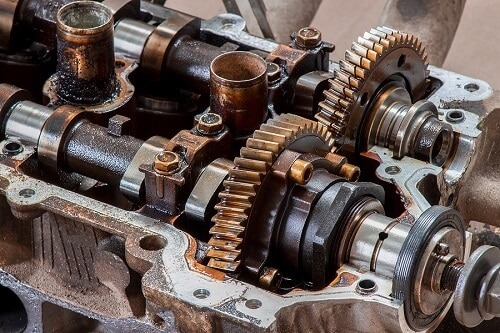
The timing system has a simple goal: open and close the valves at the right moment for the load, speed, and temperature of the engine. Modern engines do not keep that moment fixed. They shift it. The timing valve receives a signal from the engine computer, then meters oil pressure to the cam phaser so valve timing can move a few degrees forward or back.
That small movement matters. At idle, the engine wants steadiness. On a highway ramp, it wants air, fuel, and exhaust flow to line up fast. When the control valve sticks, reacts late, or gets blocked by dirty oil, the engine can feel like it is answering a question from two seconds ago.
The strange part is how small the error can be. A few degrees of cam movement may not sound dramatic, yet it can change idle vacuum, throttle response, and exhaust behavior. You may not hear metal grinding or feel a hard failure. You may only sense that the engine has lost its clean edge.
Why variable valve timing issues feel worse in traffic
City driving exposes timing faults because the engine keeps changing roles. One minute you are creeping through a school zone. Then you need a clean launch from a red light. Then the engine drops back to idle while the air conditioning runs. That constant shuffle gives a weak oil control valve no place to hide.
A common real-world example is a compact SUV in Dallas or Phoenix that idles rough at a light after a hot freeway drive. The owner may think the A/C compressor is dragging the engine down. The odd part is that the car may run fine once it is moving. That points away from a simple misfire and toward a system that cannot settle cam timing at low speed.
The non-obvious clue is temperature. A dirty or sticky valve may behave better when oil is cold and thicker, then act worse once the oil thins out. Many drivers expect cold starts to reveal the problem first, and they can. Yet heat-soaked idle complaints can be a louder hint.
Listen for context, not drama. A faint surge after a long drive can tell you more than a loud start on a freezing morning. Engines complain in patterns, and traffic creates the pattern over and over.
How oil pressure turns an electrical fault into a drivability problem
This part is electrical, but it lives in oil. That is why diagnosis can get messy. A scan tool may show a timing code, but the root cause could be varnish in a screen, low oil level, old oil, a worn connector, or a valve that no longer moves cleanly when commanded.
Think of it like a kitchen faucet with a smart handle. The signal can be correct, the handle can move, and the water can still come out wrong if the line is clogged. In the engine, oil is the working fluid. Without clean flow, the phaser cannot move with accuracy.
That is also why fresh oil sometimes makes the symptom fade for a short time. It does not prove the valve is good. It proves the timing system was sensitive to oil condition. If VVT solenoid failure is already underway, cleaner oil may buy time, but it will not repair a weak coil, damaged screen, or sticking pintle.
Oil choice can matter too. Many late-model engines are built around narrow oil passages and fast hydraulic response. The wrong viscosity, a cheap filter with poor drainback control, or a long interval can make a borderline timing valve look worse than it did last month.
Symptoms You Can Feel Before the Code Makes Sense
The check engine light is often the first official sign, but it is not always the first thing the driver notices. A car can feel slightly off for weeks before a code becomes active. The engine computer needs the fault to meet certain conditions before it stores a code, and some timing errors only show under a narrow mix of rpm, oil temperature, and load.
That is why the best first step is not panic. It is pattern spotting. When does the symptom happen? Cold start? Hot idle? Highway passing? Right after an oil change? Those details keep the diagnosis grounded and stop you from chasing parts by habit.
Write the pattern down before you visit a shop. A note that says “stalls after ten minutes in gear” is worth more than “runs bad.” It gives the technician a test condition instead of a vague complaint.
Rough idle, stalling, and strange low-speed behavior
A rough idle from timing control trouble has its own feel. It is not always the sharp shake of a dead ignition coil. It may feel softer, like the engine is hunting for a stable rhythm. The tach needle may dip, recover, and dip again while the car sits in gear.
Some drivers notice the engine almost stalls when parking, backing out of a driveway, or rolling through a fast-food lane. That low-speed stumble happens because the computer is trying to hold idle speed while valve timing sits in the wrong position. The engine is not getting the breathing pattern it expects.
Here is the catch: a rough idle does not automatically mean the timing valve is bad. Vacuum leaks, dirty throttle bodies, worn plugs, and fuel issues can mimic it. The stronger clue is rough idle paired with cam timing codes, oil-related history, and a change in behavior after the engine warms up.
A scan tool helps when it shows desired cam angle against actual cam angle. If the computer asks for movement and the cam lags, the complaint becomes less mysterious. You are no longer guessing from a shake in the seat.
Poor acceleration, fuel use, and engine timing problems
Weak acceleration often feels like the engine is being held back by an invisible hand. You press the pedal, the transmission may downshift, but the power arrives late or flat. On a two-lane road in rural Ohio or a merging lane outside Atlanta, that delay is not a small annoyance. It changes how safe the car feels.
Fuel use can slip at the same time. The engine computer adds fuel based on what it thinks the engine can do, but poor valve timing changes airflow. The result can be a car that works harder than it should to do normal tasks.
This is where engine timing problems get misunderstood. Many owners hear “timing” and think only of a timing belt or chain. Variable timing is different. The base mechanical timing may still be correct, while the computer-controlled movement of the camshaft is wrong. That difference can save you from assuming the worst too early.
The reverse is also true. A worn chain or weak phaser can make a good valve look guilty. If a new timing valve fixes the code for two days and the light returns, the car may be pointing beyond the easy part.
What the Check Engine Light and Trouble Codes Are Telling You
A check engine light tied to timing control should be treated as useful evidence, not a verdict. Codes in the P0010 to P0025 range often point toward camshaft position, cam actuator circuits, or timing performance. They narrow the search, but they do not name the failed part with perfect honesty.
The code tells you what the computer disliked. It may dislike an open circuit, a short, a timing position that moved too far, or a camshaft that did not move far enough. Those are different stories. A good technician reads the code, checks oil condition, inspects wiring, and compares commanded timing to actual timing before selling the repair.
Freeze-frame data is useful here. It records the conditions when the code set, such as rpm, coolant temperature, load, and speed. That snapshot can separate a cold-start issue from a highway-load issue.
Why P0010, P0011, P0013, and P0014 are not the same story
P0010 and P0013 often point toward control circuits on intake or exhaust sides. That can mean a failed valve, wiring damage, connector trouble, or an internal break. P0011 and P0014 are more about timing position, such as a camshaft that is too far advanced. Same neighborhood. Different house.
A Chevrolet owner, for example, may come in with rough running, hesitation, hard starts, and stored timing codes. Some factory service bulletins have linked those symptoms to actuator valve replacement on certain engines. That does not mean every Chevy with a P0011 needs the same fix. It means the pattern has been seen often enough to deserve a careful look.
The useful insight is that performance codes can be caused by oil flow, while circuit codes lean more electrical. There is overlap, though. A stuck valve can create a timing performance code, and a broken wire can keep the valve from moving at all. Diagnosis beats code reading.
Do not ignore service history either. If the engine has had a recent timing chain job, valve cover repair, alternator replacement, or oil leak repair, a pinched harness or loose connector can enter the story. The newest repair is often the first place to inspect.
When a light means inspection trouble in the USA
For many American drivers, the check engine light becomes a registration problem. States with emissions programs may use OBD checks as part of inspection. The EPA explains that inspection and maintenance programs help identify vehicles with high emissions or repair needs through state and local rules, and many 1996-newer vehicles are evaluated through onboard diagnostic data. You can review the official overview through EPA vehicle inspection and maintenance guidance.
That matters because a timing control fault can raise emissions, hurt fuel economy, and keep readiness monitors from completing after codes are cleared. Clearing the light the night before inspection is a weak plan. The monitors need drive time, and the same fault may return.
The better move is to fix the cause, then drive the car through normal warm-up, cruising, and stop-and-go conditions before testing. In states like New York, California, Texas, Pennsylvania, or parts of Arizona, that planning can mean the difference between a clean renewal and a failed visit.
This is also where cheap code clearing can backfire. A cleared light may look calm on the dashboard, but the inspection computer can still see that the readiness checks are incomplete. The car needs proof, not silence.
Smart Diagnosis Before You Replace Parts
The fastest repair is not always the first part you buy. Timing control faults sit at the intersection of oil quality, wiring, engine wear, and software logic. Guessing can turn a modest repair into a pile of receipts. A better approach starts with the cheapest truths first.
Check the oil level. Look at oil age. Ask whether the correct viscosity was used. Inspect the connector for oil intrusion, broken locks, rodent damage, or stretched wiring near the valve cover. Then compare scan data. If commanded cam timing changes but actual timing barely follows, you have a direction.
A shop that skips these steps may still get lucky. Luck is not diagnosis. The problem may return after the part warranty ends, and now you have a second bill for the same complaint.
What a mechanic should check before calling it VVT solenoid failure
A careful shop should not stop at pulling codes. It should check freeze-frame data, oil condition, technical service bulletins, and live cam angle data. On some engines, the intake and exhaust valves can be swapped for testing if they are identical. On others, that shortcut is not safe or possible.
A driveway test can still help. If the valve is easy to reach, a technician may remove it and inspect the screen for sludge or metal. Heavy debris tells a bigger story. It may mean poor oil habits, internal wear, or a stretched service interval that damaged more than one part.
The counterintuitive part is that a brand-new valve can fail to fix the complaint when oil passages are restricted. The part may be innocent by the time you replace it. The system around it needs to be able to feed and control it.
Ask for the old part back if the repair is not warranty-controlled. A clogged screen, broken plastic, or metal dust stuck to the end tells a story. A clean-looking part does not prove innocence, but it invites a deeper question.
Repair choices, cost thinking, and when to stop driving
Many timing valve replacements are not huge jobs on four-cylinder engines where the part sits near the top or front of the engine. Other vehicles bury the valve under covers, intake pieces, or tight packaging. Labor time can swing from quick to annoying based on engine design.
Do not keep driving if the engine is stalling, misfiring hard, rattling on startup for more than a moment, or losing power in traffic. A mild light with normal driving may allow a short trip to a shop. A shaking engine and flashing light should not be treated the same way.
It also helps to think beyond the part. If your car is near a timing chain service age, has dirty oil history, or shows repeated engine timing problems after replacement, the valve may be the messenger. Read common causes of rough idle and when check engine light repairs should not wait as companion checks before you approve more work.
For DIY owners, the biggest mistake is forcing a repair on a hot engine with brittle connectors. A cracked plug lock can create the next fault. Let the engine cool, use the right socket, and keep dirt away from the opening when the valve comes out.
Conclusion
A timing control fault is easy to downplay because the part looks small and the symptoms can come and go. That is the trap. The engine does not care whether a problem feels dramatic from the driver’s seat. It only cares whether valve timing follows commands under heat, load, and oil pressure. Treat a weak camshaft actuator solenoid as an early warning from the engine’s control system, not a random electronic complaint. The smart path is simple: confirm the code, check oil condition, inspect the circuit, and prove the cam timing response before paying for parts. That approach protects your money and your engine. It also keeps you ready for emissions rules in states where a warning light can block registration. A calm, evidence-led repair is better than replacing parts because a forum thread sounded familiar. If your car has rough idle, low-speed stalling, weak passing power, or recurring timing codes, schedule a proper diagnosis before the problem spreads into bigger repairs.
Frequently Asked Questions
What are the first signs of a bad VVT control valve?
Early signs often include rough idle, weak acceleration, poorer fuel economy, and a check engine light. Some cars also stumble when parking or sitting in gear. The pattern matters more than one symptom, especially if the issue changes with oil temperature.
Can dirty oil cause variable valve timing issues?
Yes. Dirty oil can clog small screens and passages inside the timing control system. That can slow or block oil flow to the cam phaser. Fresh oil may reduce symptoms for a while, but heavy sludge can still leave parts sticking.
Is it safe to drive with VVT solenoid failure?
A short trip to a repair shop may be fine if the engine runs smoothly. Avoid driving if it stalls, misfires hard, rattles, or loses power. Poor timing control can make the car unsafe in traffic and may create larger engine damage.
What codes point to engine timing problems?
Common codes include P0010, P0011, P0013, P0014, P0020, and P0023, depending on the engine layout and bank. A code gives direction, not a final answer. Oil condition, wiring, and scan data still need checking.
Can a bad timing control valve cause a rough idle?
Yes. If valve timing gets stuck in the wrong position, the engine may struggle to hold idle speed. The shake can feel uneven rather than sharp. Since other faults can feel similar, diagnosis should include codes, oil checks, and live timing data.
How much does this repair usually cost in the USA?
Cost depends on access, engine layout, parts price, and local labor rates. Some four-cylinder engines are simple. Some V6 or turbo engines take more time. Ask the shop whether diagnosis, oil service, and code clearing are included in the quote.
Should I replace intake and exhaust timing valves together?
Sometimes, but not always. If both are the same age and one failed from oil contamination, replacing both may make sense. If one failed from a broken connector or circuit fault, replacing the other may waste money. Let the test results guide it.
Will clearing the check engine light fix the problem?
No. Clearing codes only erases stored information for a short time. If the fault remains, the light can return after the computer runs its checks. In emissions states, clearing codes may also reset readiness monitors and delay inspection approval.