


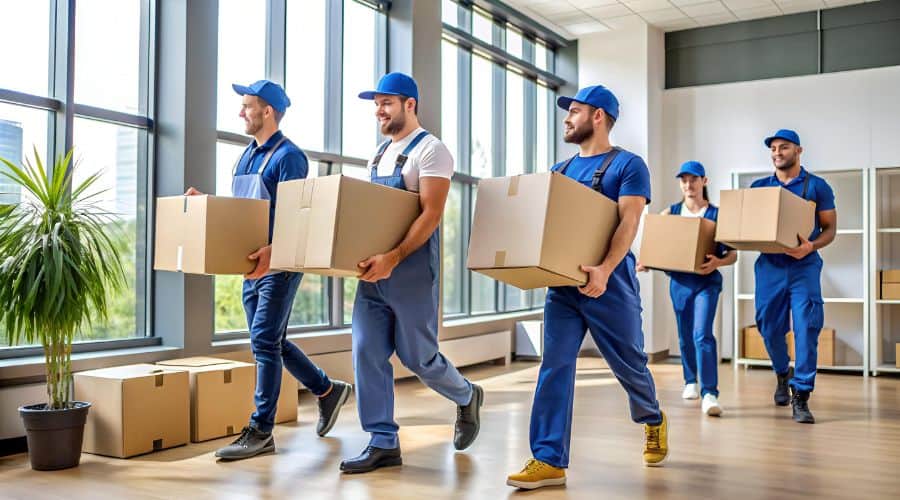
Relocating to another city, state, or region can be an exciting opportunity, but the moving process often brings significant logistical challenges. Finding reliable long distance movers, such as All Star Moving Cal, can make the transition more organized, efficient, and manageable. Unlike a short-distance move, a long-distance relocation requires careful planning around transportation, packing, scheduling, property access, and the safe handling of belongings over extended distances.
A successful move begins well before moving day. Creating a realistic timeline, organizing household items, protecting valuable possessions, and choosing experienced moving professionals can help reduce unnecessary stress. With the right preparation and dependable support, a long-distance move can become a more controlled and positive experience.
Why Professional Long Distance Movers Matter
Long-distance moving involves more than transporting boxes from one address to another. Furniture, appliances, electronics, clothing, documents, and personal belongings must be packed, loaded, transported, and unloaded carefully. Longer travel distances also mean belongings may remain in transit for an extended period, increasing the importance of proper preparation and protection.
Professional movers understand the physical and logistical demands involved in relocation. Experienced crews can help organize the moving process while applying appropriate techniques for handling heavy furniture, fragile possessions, and bulky household items.
Professional assistance can be particularly valuable for households dealing with:
- Large quantities of furniture and personal belongings
- Fragile or valuable household items
- Tight moving schedules
- Multi-room packing requirements
- Difficult loading or unloading conditions
- Relocations involving several hundred miles
- Limited access to suitable moving equipment
Hiring qualified moving professionals can also reduce the physical strain associated with lifting, carrying, loading, and unloading heavy items. Instead of attempting to coordinate every part of the move alone, homeowners can focus on preparing for life in the new location.
How to Prepare for a Long-Distance Move
Good preparation is one of the most effective ways to make relocation easier. Starting early provides enough time to organize belongings, identify priorities, and address potential problems before moving day.
1. Create a Moving Timeline
Begin by establishing a schedule several weeks before the planned relocation. Break the process into manageable tasks rather than attempting to complete everything at once.
Important milestones may include:
- Selecting a moving company
- Creating a household inventory
- Sorting and decluttering belongings
- Gathering packing materials
- Packing nonessential items
- Preparing essential items for travel
- Confirming moving arrangements
- Completing final packing before moving day
A written timeline can make responsibilities easier to track and help prevent important tasks from being overlooked.
2. Sort Belongings Before Packing
Moving is an excellent opportunity to evaluate what actually needs to travel to the new home. Carrying unnecessary possessions over a long distance can increase packing requirements, transportation demands, and overall moving complexity.
Separate belongings into categories such as:
- Keep
- Donate
- Sell
- Recycle
- Dispose
Items that have not been used for years may not justify the effort and expense of transporting them. Reducing clutter before packing can also make unpacking at the destination significantly easier.
3. Build a Detailed Inventory
A household inventory provides a useful record of possessions being moved. List major furniture, appliances, electronics, valuable items, and boxes according to their contents.
Photographs can provide additional documentation, especially for valuable or delicate possessions. Recording the condition of certain items before the move can also help create a clear reference for the relocation process.
Packing Tips for Long-Distance Relocation
Packing requires particular attention during long-distance transportation. Boxes may experience movement and handling throughout the journey, so appropriate materials and packing techniques matter.
Use strong boxes that are suitable for the weight of their contents. Avoid placing too many heavy objects in a single box because excessive weight can make lifting difficult and increase the likelihood of damage.
Fragile belongings should receive additional protection. Wrap glassware, dishes, mirrors, decorative pieces, and other delicate objects individually when appropriate. Cushion empty spaces inside boxes to limit movement during transportation.
Labeling every box can make the destination process much easier. Include the room where each box belongs and a brief description of its contents. Consider marking boxes containing fragile items so they receive appropriate attention during handling.
An organized labeling system can save considerable time when unloading. Instead of opening multiple boxes to identify their contents, movers and homeowners can quickly determine where each package belongs.
Protecting Furniture During Transportation
Large furniture pieces can present unique challenges during a long-distance move. Tables, beds, cabinets, sofas, and other substantial items should be prepared appropriately before loading.
Whenever practical, removable components should be separated and secured. Drawers can be emptied to reduce weight, while detachable parts should be kept together and clearly identified.
Protective materials may help reduce scratches, dents, and other damage during handling. Furniture should also be positioned carefully inside the moving vehicle to reduce unnecessary movement.
Professional movers have experience with lifting techniques, loading arrangements, and equipment designed to make heavy-item transportation more manageable. Their knowledge can be especially useful when navigating stairs, narrow hallways, elevators, or restricted entrances.
Choosing the Right Long Distance Moving Company
Not every moving company provides the same services or operates in the same way. Researching available options before making a decision can help homeowners identify a moving provider that fits the specific requirements of the relocation.
Consider several factors when comparing long distance movers:
Experience
Look for a company with experience handling long-distance relocations. Familiarity with extended transportation routes and larger moving projects can provide valuable practical knowledge.
Services
Determine which services are available and which tasks require additional arrangements. Depending on the provider, services may include packing, loading, transportation, unloading, and other moving assistance.
Reputation
Customer reviews and testimonials can offer insight into communication, punctuality, professionalism, and overall service experiences. While no single review tells the entire story, consistent feedback can help identify patterns.
Transparency
Clear information about services, pricing, scheduling, and responsibilities is important. Ask questions before committing to a moving arrangement, particularly when certain belongings require special handling.
Communication
Moving involves many details, so reliable communication is essential. A moving company should provide clear information and make it reasonably easy to address questions or concerns before relocation day.
Avoiding Common Long-Distance Moving Mistakes
Even carefully planned relocations can encounter problems when small details are overlooked. Avoiding common mistakes can help keep the moving process more efficient.
One frequent mistake is waiting until the last minute to begin packing. Delaying preparation can create unnecessary pressure and increase the likelihood of forgotten items.
Another common issue is failing to measure furniture and access points. Large furniture may not fit through certain doors, stairways, elevators, or hallways. Measuring important spaces ahead of time can help identify potential obstacles.
Failing to prepare an essentials bag is another avoidable problem. Long-distance travelers should keep important items such as medications, identification documents, chargers, toiletries, basic clothing, and important personal items readily accessible rather than packed deep inside the moving vehicle.
It is also wise to avoid placing critical documents or irreplaceable personal items in ordinary moving boxes. Keep essential records and highly important possessions secure and accessible throughout the relocation.
What to Keep With You
Not every item should travel with the moving shipment. Certain possessions are better kept accessible during the journey.
Consider carrying:
- Identification and important documents
- Wallet and payment cards
- Medication and personal necessities
- Phone chargers and electronic essentials
- Basic toiletries
- A change of clothes
- Important keys
- Valuable personal items
- Essential children’s or pet supplies
Preparing these items separately can make the first hours or days after arrival considerably easier, particularly if unpacking takes time.
Making Moving Day More Efficient
Moving day can become hectic when responsibilities are unclear. Prepare as much as possible before the moving crew arrives. Boxes should be sealed, labeled, and positioned where they can be accessed without unnecessary obstacles.
Keep pathways clear and identify items that require special attention. If certain belongings should not be loaded, place them in a designated area away from the moving process.
Pets and young children may also need separate arrangements because moving activity can create unfamiliar surroundings and open doors or gates can create safety concerns. Planning ahead can make the environment easier to manage.
Communication also matters. Provide accurate destination information and mention relevant access considerations before unloading begins. Clear instructions can help the moving team work more efficiently.
Settling Into a New Home
The relocation does not end when the moving truck arrives. Unpacking can be approached strategically rather than attempting to organize the entire house immediately.
Start with essential rooms and frequently used belongings. Setting up the bedroom, bathroom, kitchen, and basic living areas first can make the new home functional while remaining boxes are organized gradually.
Use the inventory and box labels created before the move to identify important items quickly. Once essential spaces are established, remaining rooms can be organized according to priority.
Taking photographs of the new space before furniture is positioned can also help with planning. Consider where large pieces should go before asking for them to be placed permanently.
A Better Approach to Long-Distance Relocation
A long-distance move becomes easier when preparation begins early and every stage receives appropriate attention. From reducing unnecessary belongings and protecting fragile items to selecting dependable transportation support, small decisions can have a major effect on the overall experience.
Professional long distance movers can provide valuable assistance with the demanding physical and logistical aspects of relocation. All Star Moving Cal offers moving support for customers seeking a more organized approach to long-distance transportation and relocation.
Conclusion
Moving across a long distance represents a significant transition, but careful planning can make the process far less overwhelming. Creating a timeline, organizing belongings, using appropriate packing methods, documenting important possessions, and selecting experienced long distance movers can provide greater confidence throughout the journey.
The right moving support allows homeowners to spend less time worrying about transportation logistics and more time preparing for the opportunities waiting at the new destination. For dependable assistance with a long-distance relocation, contact All Star Moving Cal to discuss moving requirements and take the next step toward a smoother move.