
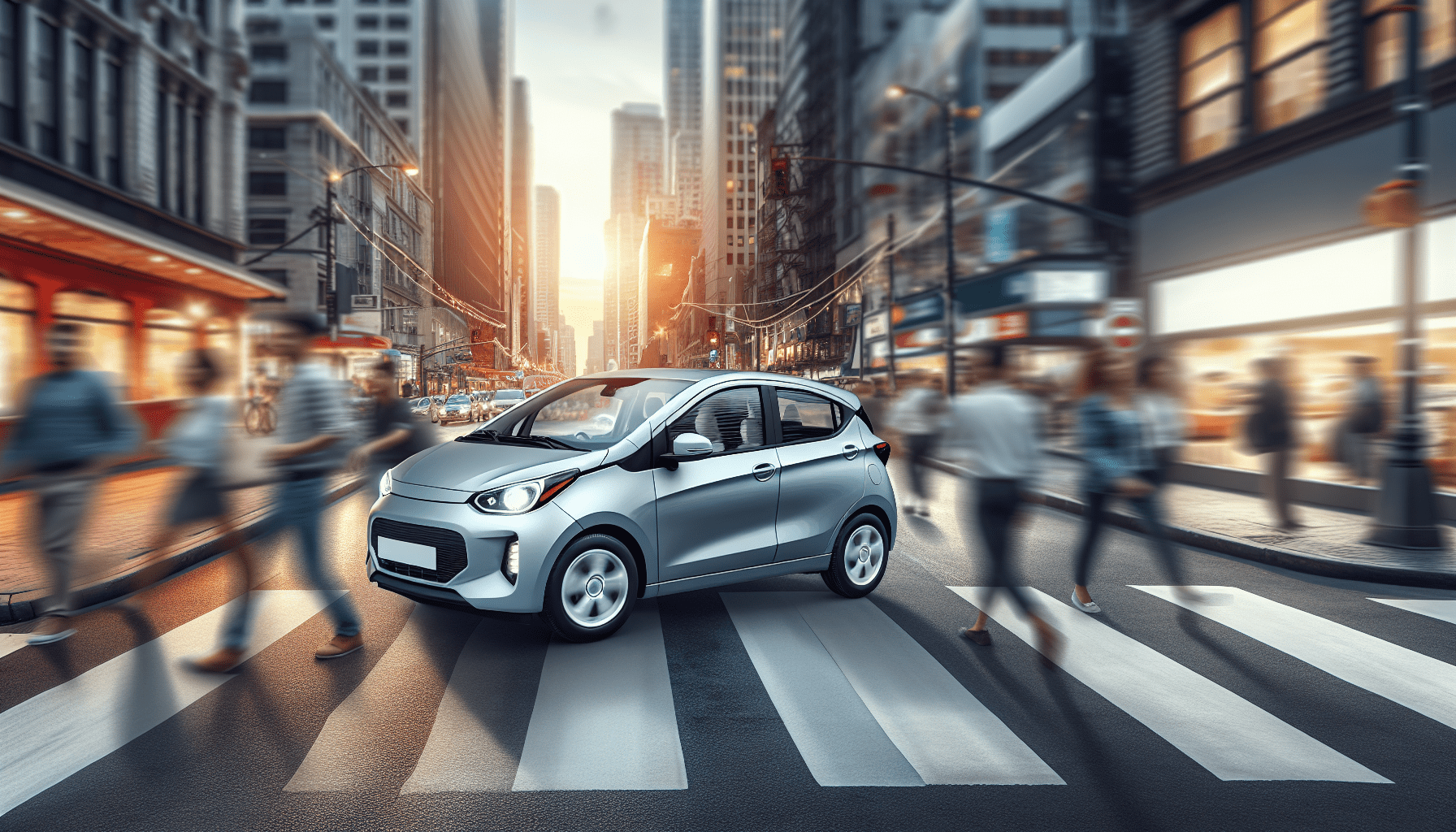
Traffic has a way of making a car feel smaller than it is. A cabin that seemed fine on an open road can start working against you once the brakes, heat, noise, and waiting begin to pile up. That is why stop-and-go driving deserves more attention than most drivers give it. You are not only moving through traffic; you are sitting inside a repeated cycle of tension, patience, and small physical adjustments. A good cabin lowers that pressure before you notice it building. Poor seating, weak air circulation, awkward controls, and constant vibration do the opposite. They turn an ordinary commute into a slow drain. Drivers who care about long-term car ownership often compare engines, fuel use, and resale value, but practical vehicle decisions should also include how the cabin treats your body and mind during daily delays. Comfort is not softness for its own sake. It is a safety buffer, a focus aid, and a quiet form of protection when the road refuses to flow.
Interior Comfort Shapes How You Handle Repeated Traffic Stress
A traffic jam does not hit you all at once. It works in layers: the first red light, the second hard brake, the fifth time your foot shifts between pedals, the warm air gathering around your shoulders. Cabin comfort becomes the difference between staying composed and feeling worn down before the drive is even over.
Cabin comfort reduces the hidden pressure of waiting
Waiting inside a car feels passive, but your body stays busy. Your hands hold position, your neck tracks movement ahead, and your legs prepare for the next short crawl. When cabin comfort is weak, those small efforts start to feel heavier because nothing in the interior helps you reset between movements.
A supportive seat, clear forward view, and calm cabin layout can make the same delay feel less hostile. You still lose time, but you do not lose as much patience. That distinction matters because frustration behind the wheel often starts as physical discomfort before it becomes a mood.
A driver stuck near a school pickup line, for example, may move only a few car lengths at a time for twenty minutes. A stiff seat and poor ventilation can make that short distance feel oddly exhausting. A better cabin does not clear the road, but it keeps the delay from taking over your whole state of mind.
City traffic exposes flaws you ignore on open roads
A car can feel acceptable at steady speed because motion hides many problems. Wind flow cools the cabin, the seat position bothers you less, and road noise blends into the background. City traffic is less forgiving because it gives every flaw time to speak.
Controls matter more when you reach for them often. Climate settings matter more when outside air cannot circulate well. Seat angle matters more when your hips stay locked in the same position. Even a cupholder placed too far back can become annoying when you reach for water during a long queue.
The counterintuitive part is simple: slow driving can be harder on comfort than fast driving. Speed gives your body variety. Crawling traffic traps you in repetition, and repetition makes poor interior design impossible to ignore.
Seating, Posture, and Pedal Feel Decide Your Physical Endurance
The first comfort mistake many drivers make is treating seats like cushions. A good driving seat is not only soft; it positions your body so your muscles do not have to fight the car. That matters most when your journey becomes a repeated pattern of braking, pausing, and inching forward.
Driver fatigue often begins below the waist
Driver fatigue is not always about sleepiness. In traffic, it can begin as tightness in the ankle, pressure behind the knees, or a dull ache in the lower back. Those signals appear because your legs repeat small movements while the rest of your body stays locked in place.
Pedal position plays a bigger role than many buyers expect. If the brake sits too high or the seat forces your knee into an awkward bend, every small stop adds strain. One stop is nothing. Two hundred small stops on a weekday commute become a different story.
A practical test is to sit in the car for longer than a showroom minute. Adjust the seat, place your foot on the brake, then imagine doing that movement through a crowded bridge approach or downtown queue. A car that feels fine for thirty seconds may reveal its weakness after five minutes.
Seat support matters more than seat softness
Soft seats can feel appealing during a quick test drive, but they may fail during slow traffic because they let your body sink without enough support. Once your hips settle too low or your shoulders round forward, your muscles start correcting the posture on their own. That is where fatigue sneaks in.
Better support keeps your spine aligned without making the cabin feel harsh. The lower back needs contact, the thighs need balanced pressure, and the seat base should not force you to stretch for the pedals. Small adjustments here can change how fresh you feel after a congested route.
A good seat does something quiet: it disappears. You stop shifting every few minutes, stop bracing your left leg against the floor, and stop hunting for a better angle at each light. The best comfort feature is often the one you stop thinking about.
Air, Noise, and Visibility Change the Mood Inside the Car
Once seating stops causing trouble, the next battle happens around your senses. Heat, stale air, glare, and noise all compete for attention. The driver may blame traffic for the tension, but the cabin often decides how much of that tension sticks.
A calm cabin protects attention when traffic gets messy
A calm cabin is not silent in a fancy way. It simply reduces the number of irritations your brain has to filter while you track bikes, lane changes, pedestrians, buses, delivery vans, and impatient drivers. Less sensory clutter means more attention stays where it belongs.
Noise insulation matters in this setting because stop-start routes create sharp sound changes. Engines rev, brakes squeal, horns cut through the moment, and motorcycles pass close to the doors. A cabin that softens those edges helps you respond without feeling attacked by the road.
Visibility also belongs in the comfort conversation. Wide pillars, poor mirror angles, or a high dashboard can make city traffic feel more stressful because you keep working to confirm what surrounds you. Clear sightlines give your mind fewer gaps to fill, and fewer gaps usually mean fewer surprises.
Climate control can make or break city traffic comfort
Heat builds differently when a car barely moves. Sun enters through glass, nearby vehicles throw warm air, and low-speed airflow does not clear the cabin as well. Good climate control does more than cool the dashboard reading; it keeps the driver from becoming restless.
Air vents should reach the face and upper body without blasting one hand or drying the eyes. Rear passengers also matter, especially in family cars that spend time in school runs or market traffic. A cool driver with overheated passengers is not a comfortable cabin; it is a complaint waiting to happen.
Stale air deserves the same attention. During long lines behind buses or trucks, recirculation settings and cabin filters become practical tools, not small conveniences. Clean airflow keeps the cabin from feeling trapped, and that feeling can change the whole drive.
Controls, Storage, and Small Details Decide Daily Ease
Comfort does not live only in seats and vents. The small things you touch, reach for, adjust, and store shape the daily experience. In heavy traffic, those details become louder because you interact with them more often than you would on a smooth highway.
Easy controls keep your eyes and hands where they belong
A touchscreen may look clean on a parked dashboard, but traffic tests whether the system respects the driver. Changing fan speed, clearing fog, switching audio, or accepting a call should not require a long glance or a careful tap through layers of menus.
Physical controls still earn their place in city traffic because they work by feel. A knob for volume or climate can be found without staring. A simple button for defogging can prevent a small visibility issue from becoming a tense moment at the wrong intersection.
The smartest interior layouts do not ask for admiration. They ask less from you. That is the mark of good design in a commuter car: it reduces tiny decisions until the drive feels cleaner than the road outside.
Storage and space affect patience more than people admit
Loose items become distractions when traffic moves in bursts. A phone sliding across the console, a bottle rolling under the seat, or a bag tipping forward can pull attention at the worst time. Good storage keeps the cabin settled when the road is not.
Family commutes make this point even sharper. Snacks, school cards, sunglasses, charging cables, tissues, and small bags all need a place that does not interfere with driving. A cabin with smart storage prevents the interior from turning into a moving junk drawer by Wednesday.
Space also affects mood. A cramped elbow position or crowded center console can make a short delay feel personal, as if the car itself is pressing in on you. The right cabin gives your body room to exist, not sprawl, and that difference shows up after the tenth red light.
Why Interior Comfort Matters During Stop-and-Go Driving
The best car for traffic is not always the smallest, quickest, or most fuel-saving option on paper. The better choice is the one that keeps you calm, supported, alert, and less irritated when the road gives you nothing but pauses. That is why interior comfort should sit near the top of your buying checklist, not at the bottom with trim extras and cosmetic finishes. Test the seat longer. Check the vents from real driving positions. Reach for the controls without looking. Notice whether your shoulders relax or rise. Stop-and-go driving turns small cabin choices into daily outcomes, and daily outcomes shape how you feel about a car far more than a spec sheet ever will. Before your next purchase or upgrade, take one honest traffic-style test drive and judge the cabin by how well it protects your patience.
Frequently Asked Questions
Why does cabin comfort matter more in city traffic?
City traffic keeps your body in repeated short movements while your mind watches constant hazards. A comfortable cabin reduces strain, heat, noise, and distraction, which helps you stay calmer and more alert during slow, crowded routes.
How does stop-start traffic cause driver fatigue?
Repeated braking, holding posture, and watching nearby vehicles can drain your body faster than smooth cruising. Poor seat support, awkward pedals, heat, and noise add more strain, making even a short urban drive feel tiring.
What car interior features help during traffic jams?
Supportive seats, clear visibility, simple climate controls, quiet cabin materials, easy-to-reach buttons, and smart storage all help. These features reduce physical effort and keep your attention on the road instead of the cabin.
Can poor seating make a daily commute harder?
Poor seating can create back pressure, leg strain, shoulder tension, and constant shifting. Over time, that discomfort makes routine commutes feel longer and more draining, especially when traffic forces you to sit in one position.
Does climate control affect driving focus?
Good climate control helps maintain comfort without constant adjustment. Heat, stale air, or uneven airflow can make you restless and distracted, while steady cooling and clean ventilation help you stay settled behind the wheel.
Why is visibility part of interior comfort?
Visibility affects how safe and relaxed you feel inside the car. Clear sightlines, well-placed mirrors, and a dashboard that does not block your view reduce guesswork, which matters when traffic changes every few seconds.
Are physical buttons better than touchscreens in traffic?
Physical buttons are often easier to use by feel, especially for climate, volume, and defogging. Touchscreens can work well, but deep menus and small icons may pull your eyes away from traffic longer than they should.
How should I test interior comfort before buying a car?
Sit in the car longer than a quick showroom check, adjust the seat fully, test pedal reach, try the climate controls, check visibility, and drive in slow traffic if possible. The right cabin should feel supportive without demanding attention.