
The hardest part of waiting for a new car is not the calendar. It is the slow loss of certainty. For many Americans who followed the Canoo Lifestyle Vehicle, the original appeal was easy to understand: a roomy electric people mover with a clever cabin, a short nose, and a design that felt different from the same crossover shape parked on every block. But the story moved from delay to doubt, then from doubt to bankruptcy. Canoo announced on January 17, 2025, that it had filed for Chapter 7 bankruptcy and would stop operations, which changed the question for reservation holders from “When will mine arrive?” to “What happens to my deposit, my place in line, and my backup plan?” Anyone tracking consumer auto coverage in the U.S. has seen this pattern before: a startup sells a clean idea first, then has to survive the brutal, expensive work of building cars at scale. That second part is where hope often meets steel, cash, suppliers, federal rules, and time.
Why the Canoo Lifestyle Vehicle Went From Promise to Uncertainty
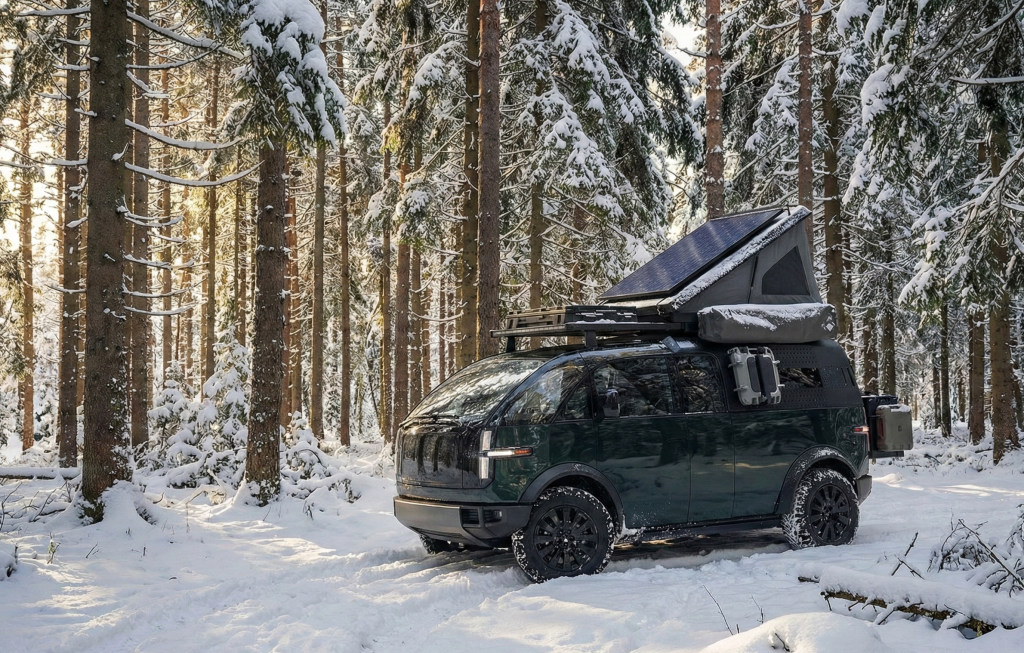
Canoo did not fail because the idea was boring. That matters. A weak idea dies in silence, while a strong idea can keep people waiting long after the warning signs appear. The company’s van-like EV had real visual identity, and its low, open cabin made sense for families, ride-share use, outdoor owners, and small businesses that wanted space without buying a full-size van.
The friction came from production. Building a prototype proves a concept. Building thousands of road-ready vehicles proves a company. Those are different games.
The gap between a show vehicle and a customer vehicle
A public reveal can make an EV feel close. Photos look finished. The cabin looks touchable. The reservation button makes the whole thing feel like a normal purchase path. But early-stage vehicles often hide the hardest work behind the body panels.
Crash validation, supplier tooling, software testing, battery sourcing, service planning, warranty reserves, and federal compliance do not show up in the same way a cool steering setup does. A reservation holder may see a van that looks ready. An engineer may see a vehicle that still needs money, repeatable parts, and a factory rhythm.
That gap is where delays grow.
A non-obvious point: a startup can be honest about progress and still leave consumers with a misleading sense of closeness. Each milestone can be true by itself. A fleet demo can be real. A production-intent unit can be real. A government or business relationship can be real. None of that means a private buyer in Ohio, Texas, Florida, or California is close to getting keys.
Fleet focus changed the waiting game for private buyers
Canoo’s path also became harder to read because fleet customers drew much of the attention. The company built vehicles tied to high-profile names, including NASA and delivery-focused partners, while consumer reservations remained a separate kind of promise. Car and Driver reported that Canoo had built a small number of electric vans for clients such as Walmart and the USPS before the bankruptcy filing.
For a reservation holder, that can sting. Seeing a startup deliver a few units to a major organization can feel like proof that retail production is next. Sometimes it is. Sometimes it means the company is chasing revenue, publicity, investor confidence, or a lower-volume path that keeps the lights on.
This is the uncomfortable truth: fleet activity can delay consumer access instead of speeding it up. A small startup may follow the customer most likely to bring funding, not the customer who clicked reserve first.
That does not make every fleet deal bad. It means your reservation was never the whole business plan.
What Production Delays Mean When an EV Startup Runs Out of Road
A normal delay still has a living company behind it. A bankruptcy delay does not. That difference should guide every move reservation holders make now, because the usual customer-service playbook may no longer work.
Canoo’s Chapter 7 filing matters because Chapter 7 is a liquidation process. The U.S. Courts explain that Chapter 7 involves selling a debtor’s nonexempt property and distributing proceeds to creditors through the bankruptcy process. The U.S. Courts’ Chapter 7 bankruptcy basics is the cleanest plain-English starting point for understanding the process.
Why Chapter 7 is different from a normal delay
When an automaker says production is delayed by six months, the company still hopes to ship the product. It may be short on parts. It may be reworking software. It may be waiting on factory equipment. The buyer is annoyed, but the transaction still has a pulse.
Chapter 7 changes the mood. The business is not trying to reorganize around a future launch in the way a Chapter 11 case might. A trustee steps in to handle the liquidation of assets and distribution to creditors. Canoo said its bankruptcy filing would lead to a trustee overseeing liquidation, not a restart of normal operations.
That means a reservation holder should stop thinking like a future buyer and start thinking like a claimant. The difference is plain. A future buyer asks, “When is delivery?” A claimant asks, “Am I owed money, and what proof do I have?”
That shift feels cold, but it helps.
The deposit question needs paperwork, not hope
Many Canoo followers placed low-dollar reservations years before the bankruptcy. A small deposit can feel too minor to chase. Yet the amount is not the only issue. The real issue is whether your payment was refunded, still pending, disputed, or lost inside the bankruptcy process.
Start with records. Find your original reservation email, payment receipt, card statement, refund notice, cancellation request, and any company message about reservation handling. Save screenshots. Export PDFs. Do not rely on old inbox search alone.
Then check your payment route. If the charge went through a credit card, look at the issuer’s dispute window, though older charges may fall outside normal timelines. If the payment was returned, document the return. If you requested cancellation but never received money, keep that trail together.
Here is the part people miss: even a tiny deposit should be treated like a paper file, not a memory. Bankruptcy systems do not run on “I’m pretty sure.” They run on dates, amounts, names, and records.
What Reservation Holders Should Do Before Moving On
The practical step is not rage. It is triage. Reservation holders need to sort their situation into one of three buckets: refunded, unpaid but documented, or unclear. Once you know your bucket, your next move gets simpler.
This is also where emotion can cost you time. You may have followed the brand for years. You may have told friends the van was the one EV that made sense. That personal buy-in is real, but it should not keep you frozen.
Build a simple claim folder
Create one folder on your computer or cloud drive. Name it with the company, the year you reserved, and your last name. Put every related file inside it.
A clean folder should include:
- Original reservation confirmation
- Payment receipt or bank statement
- Refund message, if one exists
- Any cancellation request
- Any email from Canoo about delays
- Notes with dates of calls or support attempts
That sounds basic. It is also the step most people skip until they need it.
For example, a reservation holder in Arizona who placed a $100 deposit in 2021 may have changed cards twice since then. The original card account may still show archived statements online, but not forever. Waiting another year can make the paper trail harder to rebuild.
A small claim becomes more annoying when the evidence gets old.
Watch the bankruptcy case, but keep expectations sane
Reservation holders should understand where they sit in the larger picture. If a consumer deposit was not refunded before the filing, it may become part of a creditor claim problem. In many corporate liquidations, secured lenders, legal costs, taxes, employees, vendors, and other creditors may stand ahead of small consumer claims.
That does not mean you should ignore it. It means you should avoid building your next car plan around recovery.
The non-obvious insight is that your best financial move may be boring: confirm your payment status, preserve records, watch for official claim instructions, and then move on with your vehicle search. Chasing rumors on forums can drain hours while giving you less than one good call to your bank.
A reservation is not a car. Once the company stops operating, that sentence becomes the whole lesson.
How to Choose a Replacement Without Repeating the Same Mistake
The Canoo story does not mean every new EV company is a bad bet. It means buyers need a sharper screen. Americans have more electric choices than they did when Canoo first built buzz, and some of those choices come with dealer networks, parts systems, warranty backing, and actual inventory.
The trick is to separate design excitement from ownership reality. The first sells the dream. The second decides whether you can get to work next Tuesday.
Look for proof that reaches beyond prototypes
A replacement does not need to copy Canoo’s design. It needs to solve the same job. If you wanted space, look at real cabin measurements. If you wanted camping use, check charging access near the places you drive. If you wanted a city-friendly van shape, consider whether a used EV, plug-in hybrid, minivan, or compact cargo van fits better than waiting for another startup.
Use a cold test before placing any new deposit. Ask whether the vehicle is already being delivered to private buyers in the U.S. Ask whether service exists within a reasonable tow distance. Ask whether parts are stocked. Ask whether owners outside press fleets are reporting normal use.
A startup may offer better design. A boring automaker may offer better Tuesday mornings.
That trade-off is not glamorous, but it matters more than a concept video.
Treat reservations as risk, not ownership progress
A reservation should not feel like a purchase unless the company has a firm order agreement, a production slot, and a clear refund path. Even then, keep your backup plan alive.
Read the terms. Save them. Check whether the deposit is refundable, how cancellation works, and what happens if production never starts. Compare your options with a used EV buying checklist before locking money into a new promise. Also review electric vehicle ownership costs, because charging, insurance, tires, and repairs can change the real cost more than the reservation page suggests.
Here is the counterintuitive part: the safest reservation may be the one you are least emotionally attached to. If you can walk away without defending the brand, you will read the terms more clearly.
That is how reservation holders protect themselves next time.
Conclusion
Canoo’s collapse hurts because the vehicle made sense to people who were tired of copycat EV design. It looked useful, friendly, and different. For reservation holders, though, the story is no longer about patience. It is about documentation, refunds, and moving forward with clear eyes.
The Canoo Lifestyle Vehicle now stands as a reminder that a promising design does not equal a deliverable car. A startup must survive factories, payroll, suppliers, safety rules, capital markets, and customer support before a reservation turns into a driveway moment. That chain broke.
Your next move should be calm and practical. Confirm whether your deposit was refunded. Save every record. Follow official bankruptcy notices if you may still have a claim. Then shop based on vehicles that exist, service networks that answer the phone, and ownership costs you can verify.
Dreams are allowed in car buying. Blind waiting is optional.
Frequently Asked Questions
What should Canoo reservation holders do first?
Start by confirming whether your deposit was refunded. Check old card statements, bank records, email receipts, and cancellation messages. Save everything in one folder. If the refund never arrived, keep proof of payment and watch for official bankruptcy claim instructions.
Is Canoo still producing vehicles in the United States?
No. Canoo announced on January 17, 2025, that it filed for Chapter 7 bankruptcy and would stop operations. That means normal production, customer support, and retail delivery plans are no longer active under the company’s prior business.
Can I still get my Canoo deposit back?
It depends on whether the refund happened before the bankruptcy filing and how your payment was handled. Check your card or bank records first. If no refund appears, your next path may involve bankruptcy claim procedures rather than normal customer service.
Why did Canoo focus on fleet vehicles before consumers?
Fleet deals can bring visibility, revenue potential, and investor confidence faster than retail deliveries. For a cash-strained startup, that path may look safer. The downside is that private reservation holders can end up waiting while the company chases larger business contracts.
Was the Canoo delay only caused by supply chain problems?
No. Supply issues may affect any automaker, but Canoo’s problem became financial and operational. The company struggled to fund the expensive move from concept and limited builds into steady production, then filed for liquidation after funding efforts failed.
Should I reserve another EV from a startup?
Only if you can afford the risk and the terms are clear. Look for real deliveries, service locations, refund rules, and owner reports. A low deposit can still cost time, attention, and stress if the company cannot reach production.
What EV should I buy instead of waiting for Canoo?
Focus on the job you wanted Canoo to do. If you needed space, compare existing EV crossovers, used electric vans, plug-in hybrids, and minivans. Choose based on available inventory, service access, warranty support, charging needs, and total ownership cost.
Does Chapter 7 mean Canoo could come back later?
Chapter 7 usually means liquidation, not a normal restart. Assets can be sold, and another buyer could use pieces of the business, but reservation holders should not assume the original vehicle program will return or that prior reservations will carry over.