

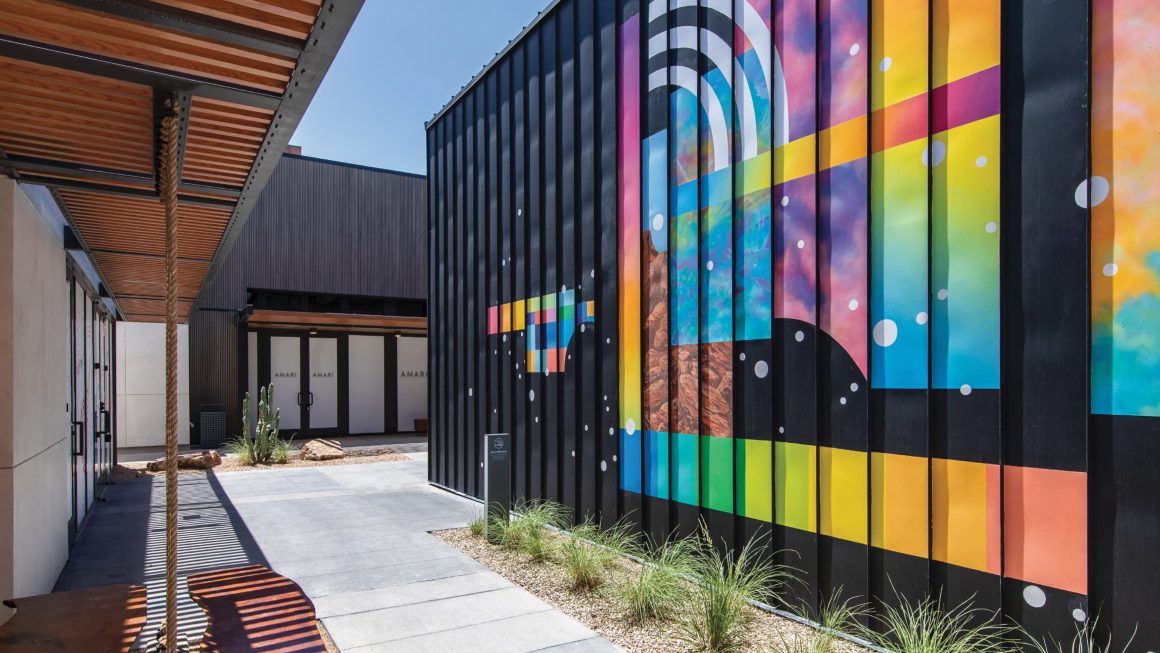
In a world where visual experiences shape how people interact with spaces, wall mural painting has become one of the most effective ways to create memorable environments. From commercial buildings and retail stores to offices, schools, and hospitality venues, murals bring personality, creativity, and purpose to otherwise ordinary walls.
Businesses today are looking for ways to stand out while creating meaningful connections with customers and employees. This is where companies like Rolling Arts Group help transform blank surfaces into impactful visual statements. A thoughtfully designed mural does more than decorate a wall. It communicates a message, strengthens branding, and enhances the overall experience of a space.
Whether the goal is to inspire employees, attract customers, or create a stronger sense of identity, wall murals offer a versatile and lasting solution.
Why Wall Mural Painting Matters in Modern Spaces
Visual environments influence how people feel, think, and engage with a location. A plain wall often goes unnoticed, while a professionally painted mural can instantly capture attention and create a lasting impression.
Wall mural painting allows organizations to:
- Enhance brand recognition
- Create unique customer experiences
- Improve workplace culture
- Increase visual appeal
- Strengthen community engagement
- Showcase creativity and innovation
Unlike temporary signage or standard décor, murals become part of the environment itself, helping spaces develop a distinctive identity that people remember.
The Growing Demand for Custom Murals
As businesses compete for attention in increasingly crowded markets, custom murals have become a powerful visual communication tool. Consumers are naturally drawn to unique environments that provide opportunities for engagement and memorable experiences.
Restaurants use murals to create atmosphere. Retail stores use them to reinforce brand identity. Offices use them to reflect company culture and values. Educational institutions use murals to inspire learning and foster creativity.
This growing demand reflects a broader shift toward experiential design, where environments are intentionally created to influence emotions and behavior.
The Role of Murals in Brand Storytelling
Every business has a story. The challenge is communicating that story in a way that resonates with audiences.
Murals provide a visual platform for storytelling by incorporating:
- Brand colors
- Company history
- Mission and values
- Community connections
- Industry themes
- Inspirational messaging
When visitors enter a space and immediately understand what an organization represents, the environment becomes more engaging and memorable.
A well-designed mural can communicate complex ideas within seconds, making it a valuable branding asset.
Benefits of Professional Wall Mural Painting
While murals are visually appealing, their value extends far beyond aesthetics.
1. Creates a Strong First Impression
First impressions often determine how people perceive a business. A professionally painted mural can immediately communicate professionalism, creativity, and attention to detail.
Whether located in a lobby, storefront, or on an exterior wall, a mural helps establish a positive impression before any conversation takes place.
2. Enhances Employee Engagement
Workplace design plays a significant role in employee satisfaction and productivity. Inspiring visual environments can boost morale and create a stronger sense of belonging.
Murals featuring company values, motivational themes, or collaborative artwork often contribute to a more positive workplace culture.
3. Encourages Social Sharing
People enjoy sharing visually interesting spaces on social media. A striking mural can become a natural photo backdrop, generating organic exposure and increasing brand visibility.
Businesses that incorporate visually engaging artwork often benefit from user-generated content and word-of-mouth marketing.
4. Adds Long-Term Value
Unlike temporary promotional materials, murals offer long-lasting visual impact. When properly designed and maintained, a mural can remain relevant and attractive for years.
This longevity makes wall mural painting a cost-effective investment for many organizations.
Key Considerations Before Starting a Mural Project
A successful mural requires more than artistic talent. Strategic planning is essential to ensure the artwork aligns with the goals of the space.
Define the Purpose
Before beginning a mural project, consider the primary objective:
- Branding
- Wayfinding
- Employee motivation
- Community engagement
- Customer experience
- Educational messaging
Understanding the purpose helps guide design decisions and ensures the mural delivers meaningful results.
Understand the Audience
The most effective murals are designed with a specific audience in mind.
Questions to consider include:
- Who will view the mural most often?
- What message should they take away?
- What emotions should the artwork evoke?
- How does the mural support the overall environment?
Audience-focused design creates stronger connections and greater impact.
Consider the Location
The placement of a mural significantly influences its effectiveness.
Factors to evaluate include:
- Visibility
- Lighting conditions
- Wall dimensions
- Architectural features
- Traffic flow
- Viewing distance
A mural should complement the surrounding environment while maximizing visual impact.
Popular Applications for Wall Murals
The flexibility of wall mural painting makes it suitable for a wide range of industries and environments.
Corporate Offices
Office murals can reinforce company culture, showcase brand values, and create inspiring workspaces. Many organizations use murals in conference rooms, common areas, and reception spaces.
Retail Spaces
Retail murals help create immersive shopping experiences. They can guide customer attention, support branding, and encourage social media engagement.
Restaurants and Hospitality
Hospitality businesses often use murals to establish atmosphere and enhance the guest experience. Artistic environments contribute to memorable visits and stronger customer loyalty.
Educational Facilities
Schools, universities, and learning centers use murals to support educational themes, celebrate achievements, and create welcoming environments.
Public and Community Spaces
Community murals can foster local pride, celebrate cultural heritage, and strengthen connections among residents. Public art projects often become landmarks that contribute to neighborhood identity.
Trends Shaping the Future of Wall Mural Painting
The mural industry continues to evolve as technology, design preferences, and consumer expectations change.
Interactive Designs
Modern murals increasingly incorporate interactive elements that encourage audience participation. These features help create deeper engagement and memorable experiences.
Large-Scale Environmental Graphics
Businesses are moving beyond traditional accent walls and embracing full-scale environmental graphics that transform entire spaces.
Sustainability-Focused Projects
Organizations are placing greater emphasis on environmentally responsible materials and practices. Sustainable approaches to mural creation continue to gain popularity.
Community-Centered Artwork
Many businesses and institutions are investing in murals that reflect local culture, history, and community values. These projects help strengthen relationships and create authentic connections.
How to Maximize the Impact of a Mural
To achieve the best results, organizations should approach murals as strategic investments rather than decorative additions.
Consider these best practices:
- Align artwork with business goals.
- Develop a clear creative direction.
- Prioritize professional design and execution.
- Ensure the mural complements the surrounding environment.
- Maintain consistency with brand identity.
- Think about long-term relevance.
When these elements come together, a mural becomes a powerful communication tool that supports broader organizational objectives.
Conclusion
Wall mural painting has evolved into far more than an artistic enhancement. It is a strategic way to communicate ideas, strengthen brand identity, create memorable experiences, and transform environments into meaningful destinations.
As businesses, institutions, and communities continue seeking innovative ways to connect with people, murals offer a unique combination of creativity and impact. From inspiring workplaces to engaging retail environments and vibrant public spaces, the possibilities are nearly limitless.
Organizations that invest in thoughtful, professionally executed mural projects position themselves to create lasting impressions and stronger connections. With expertise in large-scale artistic transformations, Rolling Arts Group demonstrates how the right mural can turn an ordinary wall into a powerful visual experience.