


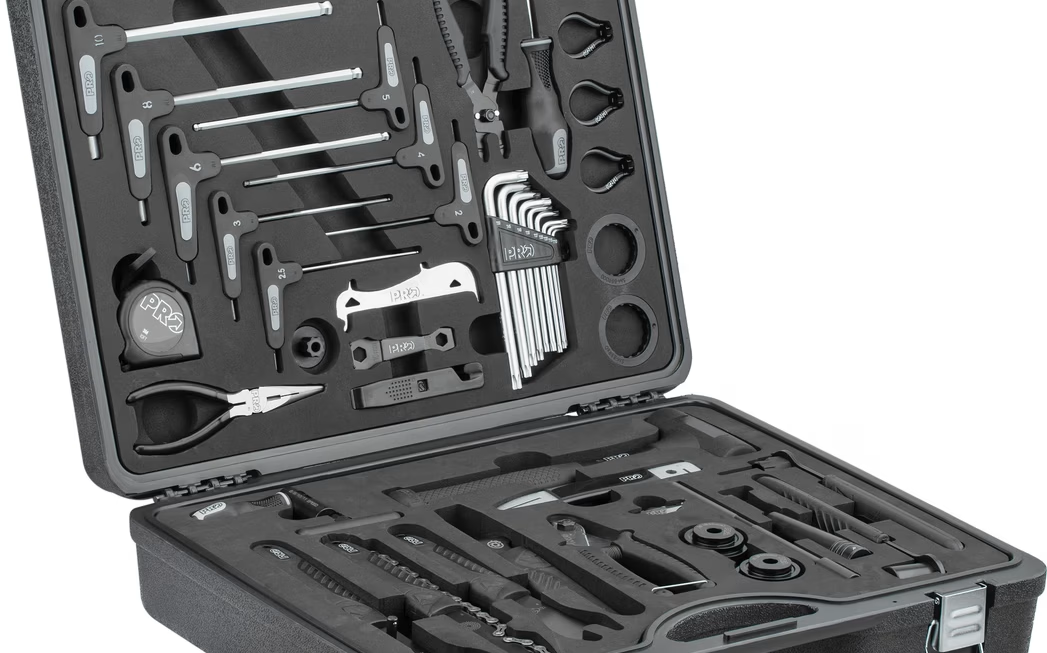
Panel Removal Tools for Efficient Vehicle Disassembly
Panel Removal Tools are essential for automotive professionals, restoration specialists, detailers, and DIY enthusiasts who need to remove interior or exterior components without causing unnecessary damage. Vehicle panels, trim pieces, clips, moldings, and fasteners are often designed to fit securely so improper removal can lead to cracked plastics, broken retainers, scratched surfaces, or costly replacements.
Purpose-built tools provide better control than screwdrivers, knives, or other improvised objects. The right equipment lets technicians apply controlled leverage at the right points, making disassembly more predictable and efficient. Monument Tools provides practical solutions designed to support precise and efficient automotive removal tasks.
For workshops handling several vehicles each day, even small improvements in the removal process can contribute to significant time savings. For individual vehicle owners, the right tools can make DIY upgrades and maintenance projects less intimidating while reducing the risk of accidental damage.
Why Panel Removal Tools Matter in Automotive Work
Modern vehicles contain numerous trim components that conceal wiring, mounting hardware, speakers, sensors, clips, and other parts. Accessing these components often requires carefully removing surrounding panels first.
A screwdriver may appear convenient for creating an opening between two surfaces, but its narrow metal edge can leave marks or create concentrated pressure. Plastic trim can crack under excessive force, while painted surfaces may become scratched when an unsuitable tool slips.
Purpose-designed automotive panel removal tools address these challenges by providing shapes and edges intended for separating vehicle components. Depending on the design, a tool can slide beneath a trim piece, reach behind a retaining clip, or provide leverage without concentrating force on a small area.
This makes dedicated equipment particularly valuable for:
- Interior repair and restoration
- Car audio and speaker installation
- Dashboard component replacement
- Door panel removal
- Window and trim repairs
- Vehicle detailing
- Electrical and wiring access
- Upholstery projects
- Exterior molding replacement
- General automotive maintenance
The objective is not simply to remove a panel. The objective is to remove it efficiently while preserving the panel, surrounding surfaces, clips, and fasteners whenever possible.
Understanding Different Automotive Trim Removal Tools
Not every panel requires the same removal method. Vehicle manufacturers use different clips, retainers, fasteners, and mounting systems, so a versatile selection of tools can be useful when working across different makes and models.
Wedge-Style Removal Tools
Wedge-shaped tools are commonly used to create a controlled gap between trim components. Their profile can help technicians reach beneath panels and release clips without relying on excessive force.
A wider wedge can distribute pressure across a larger area, which may help reduce stress on fragile plastic components. Narrower designs can be useful in tight spaces where access is limited.
Clip and Fastener Removal Tools
Some vehicle components are secured using push clips or specialized fasteners. Dedicated clip removal tools can help lift or release these attachments more effectively than general-purpose pry tools.
The advantage is greater control around the attachment point. Rather than aggressively pulling an entire panel, the technician can focus on releasing the specific retainer holding the component.
Long-Reach and Angled Tools
Certain components contain clips positioned deep inside a panel. Long-reach or angled panel trim removal tools can provide improved access in these situations.
An angled tip can also make it easier to work around corners, recesses, and irregular surfaces. This can be especially useful when removing dashboard trim, door components, or other interior fittings with limited hand clearance.
Multi-Piece Removal Tool Sets
A comprehensive tool set can provide greater flexibility than a single tool. Different shapes and sizes let technicians choose equipment based on the panel, fastener, or access point involved.
For professional workshops, having several options readily available can reduce interruptions during a job. Instead of adapting an unsuitable tool to the task, technicians can select a design intended for the specific removal requirement.
How to Choose the Right Panel Removal Tools
Selecting suitable equipment requires more than considering the number of tools included in a set. Evaluate construction, shape, usability, and intended application.
1. Consider the Vehicle Components
Start by identifying the type of work involved. Door panels may require different access and leverage than dashboard trim, exterior moldings, or small clips.
A toolkit that covers several shapes can benefit technicians who work on different vehicles and repair applications.
2. Evaluate Tool Material
Material selection can affect durability, flexibility, and surface protection. Tools need enough strength to release securely mounted components while remaining appropriate for delicate trim.
When working near painted or finished surfaces, select equipment carefully to reduce the risk of scratches, dents, or other cosmetic damage.
3. Look at the Tool Profile
The shape of the tip can determine how effectively a tool fits into a particular gap. Thin profiles may be useful for narrow openings, while broader designs can provide better support when separating larger trim pieces.
A tool with an unsuitable profile may slip, require excessive pressure, or concentrate force in an unwanted location.
4. Prioritize Grip and Handling
Automotive disassembly can involve repetitive movements. A comfortable grip can help improve control and reduce hand fatigue during longer projects.
Good handling is particularly important when working with stubborn clips. Controlled pressure is generally preferable to sudden force because it allows the technician to respond when a component begins to release.
5. Match the Toolkit to the Job
A professional workshop may benefit from a broader selection than someone performing occasional DIY repairs. Consider how often you work on vehicles, the types of vehicles involved, and the components you remove most often.
Choosing equipment based on actual applications helps prevent unnecessary purchases while ensuring important tools are available when needed.
Best Practices for Using Panel Removal Tools
Having suitable equipment is only one part of successful vehicle disassembly. Proper technique also plays an important role in protecting components.
Inspect Before Applying Pressure
Never assume that a panel is held entirely by clips. Screws, bolts, hidden fasteners, and other attachments may be concealed behind covers or inside compartments.
If a panel does not move with moderate pressure, stop and inspect the surrounding area. Increasing force without understanding the source of resistance can break components.
Locate the Retaining Points
Before beginning removal, identify where clips and fasteners are positioned. Vehicle repair manuals, manufacturer documentation, or reliable service information can help clarify the attachment method.
Knowing where the retaining points are located lets you position the tool more accurately and reduces unnecessary prying.
Select the Appropriate Tool
Use a tool that matches the gap, clip, and available working space. Avoid forcing a large tool into a narrow opening simply because it is nearby.
Choosing the correct profile can make a significant difference in both efficiency and control.
Apply Gradual Leverage
Controlled pressure gives the technician greater awareness of how the component is responding. If a clip releases, you can adjust pressure immediately.
Sudden pulling or twisting can damage clips and surrounding trim. A gradual approach provides more opportunity to identify resistance before damage occurs.
Protect Finished Surfaces
When working around painted surfaces, leather, fabric, polished trim, or other sensitive materials, take additional precautions. A tool slipping against a visible surface can cause cosmetic damage that may be harder to repair than the original problem.
Using suitable tools and maintaining stable hand positioning can help minimize these risks.
Common Mistakes When Removing Vehicle Panels
Many panel-related problems occur because the removal process is rushed. One of the most common mistakes is using an unsuitable object as a pry tool.
Metal screwdrivers, knives, and similar items can create sharp pressure points. They may also slip unexpectedly, causing scratches or damage to surrounding surfaces.
Another mistake is pulling before identifying all attachment points. A panel may appear ready to release while remaining secured by a hidden clip or fastener. Pulling harder in this situation can break mounting points.
Forcing a panel at an awkward angle is another common issue. When a component does not move naturally, changing the tool position or locating another retaining point may be more effective than increasing pressure.
Finally, damaged clips should not be reused automatically. A weakened retainer may fail during reassembly, causing rattles, loose trim, or poor panel fit.
Making Automotive Repairs More Efficient
Efficiency does not necessarily mean applying more force or working faster. In automotive repair, efficiency often comes from using a better process.
A technician who can quickly identify attachment points, select the correct tool, and release components systematically can reduce unnecessary disassembly time. This approach also supports better organization because fasteners and removed components can be kept for reinstallation.
For professional workshops, these improvements can contribute to smoother workflows across multiple jobs. For DIY enthusiasts, they can make projects more manageable and reduce frustration when working on unfamiliar vehicle interiors.
A dedicated set of panel removal tools can therefore become an important part of a broader automotive toolkit. Alongside mechanical tools, diagnostic equipment, cleaning supplies, and installation accessories, trim removal equipment supports the less visible but equally important stages of vehicle work.
Panel Removal Tools for Professional and DIY Applications
Automotive technicians are not the only people who can benefit from dedicated removal equipment. Vehicle owners frequently need to remove panels when installing accessories, upgrading speakers, replacing interior components, routing wiring, or completing restoration projects.
Detailers may also encounter trim components that need temporary removal to reach difficult areas. Restoration specialists can benefit from tools that let them handle aging trim pieces with greater care.
For these applications, tool versatility becomes especially valuable. A selection containing multiple shapes, sizes, and profiles can provide solutions for different vehicle designs without requiring improvised alternatives.
Reliable equipment can also support repeatable results. When a technician uses a consistent removal method, it becomes easier to develop efficient procedures for common repair tasks.
Maintaining Panel Removal Equipment
Proper tool maintenance can extend usability and help maintain reliable performance. After use, inspect tools for cracks, excessive wear, deformation, or other damage.
Evaluate any tool showing signs of deterioration before using it on delicate vehicle components. A damaged edge or weakened structure may affect control and increase the possibility of accidental damage.
Keeping tools organized also improves workshop efficiency. A designated storage location makes frequently used equipment easier to find and reduces the temptation to substitute an inappropriate tool simply because it is immediately available.
Clean, organized equipment supports a more professional workflow and helps ensure the right tool is ready for the next project.
Build a Smarter Automotive Toolkit
A capable automotive toolkit should support more than mechanical repairs. Modern vehicle work frequently involves trim, clips, moldings, interior components, and concealed wiring, making specialized removal equipment increasingly useful.
Monument Tools provides Panel Removal Tools designed for automotive applications, giving technicians and vehicle enthusiasts practical options for handling detailed disassembly tasks. Choosing purpose-built equipment can improve control, protect valuable components, and make repair work more efficient.
Before starting a panel removal project, consider the component being removed, identify its attachment points, select a suitable tool, and work gradually. These simple steps can help prevent avoidable damage while improving the overall repair experience.
Conclusion
Panel Removal Tools provide a practical solution for automotive disassembly where precision, control, and surface protection matter. From releasing clips and removing door panels to accessing dashboards, trim, wiring, and moldings, the correct equipment can make difficult tasks significantly more manageable.
Select quality tools based on the vehicle, application, material, and required level of access. Combined with careful inspection and controlled technique, dedicated removal equipment can help technicians and DIY users complete automotive projects more efficiently and confidently.
For dependable solutions suited to professional workshops, restoration projects, and everyday vehicle maintenance, explore the automotive tools available from Monument Tools at MonumentTools.net.