
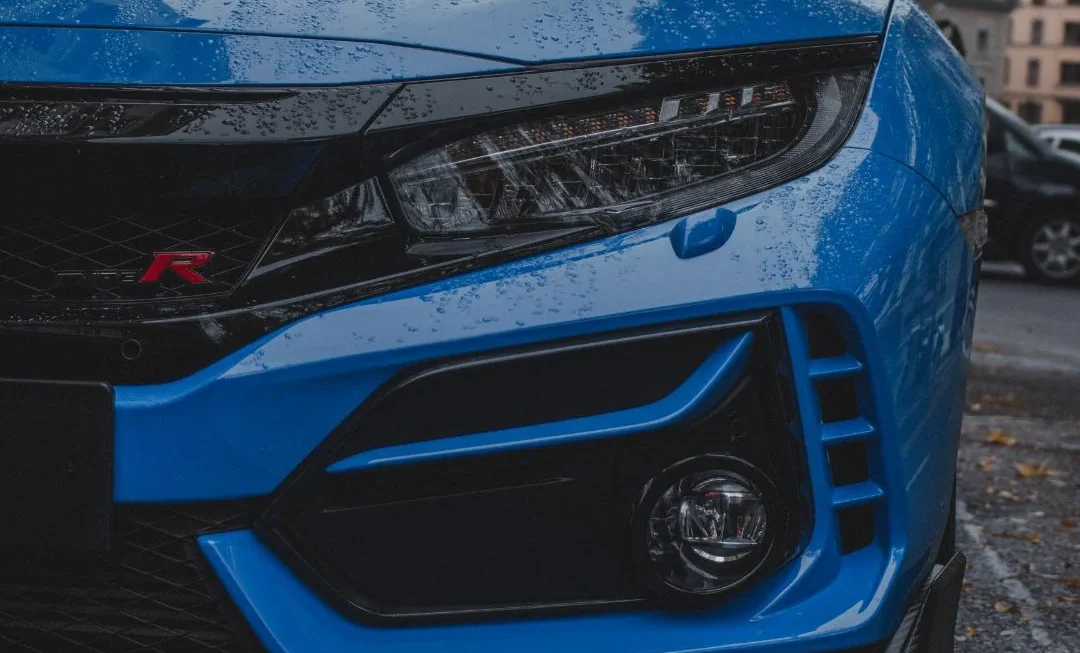
Vehicle customization does not always require an extensive body transformation. In many cases, a few carefully selected exterior details can make a car look more distinctive while preserving its original character. The challenge is to create a coordinated design instead of adding accessories that compete with one another.
Roofline styling is one area where a small change can have a noticeable visual effect. Because the roof connects the front and rear portions of a vehicle, additions in this area can influence the way the entire side profile appears.
Why the Roofline Matters
A vehicle’s roofline affects its visual proportions, especially when viewed from the side. Some cars have flowing roof shapes that transition gradually toward the rear, while others feature a more upright profile designed to maximize interior space.
An aftermarket accessory should follow these original lines. If its shape or size conflicts with the vehicle’s design, it can look out of place even when the component itself is well made.
Before choosing a roofline accessory, consider the vehicle’s body style, roof curvature, rear glass angle, and existing trim. These details help determine which designs will appear natural once installed.
Exploring Lightweight Exterior Materials
Automotive accessories are produced from several materials, including ABS plastic, fiberglass, aluminum, and carbon fiber composites. Each option has different characteristics relating to weight, flexibility, finish, cost, and repair.
ABS plastic is widely used for moulded trim because it can be shaped into complex forms. Fiberglass offers design flexibility, while aluminum is useful in selected applications where a metal construction is preferred. Carbon composites are valued for their appearance and potential weight advantages in suitable designs.
The material name alone does not determine quality. Manufacturing consistency, reinforcement, surface preparation, and fitment can have a greater effect on the final experience.
Choosing an Accessory That Suits the Vehicle
A roofline accessory should be selected according to the car’s shape and intended styling direction. A subtle design may suit a factory-inspired build, while a more pronounced component may work better on a vehicle with other coordinated exterior upgrades.
The phrase carbon fiber roof wing can refer to different products and shapes, so buyers should confirm the exact dimensions and mounting location before ordering.
Consider the side profile
Look at the transition between the roof, rear glass, and trunk or hatch. A suitable accessory should complement this transition rather than interrupt it abruptly.
Check the rear view
The component should look balanced when viewed from behind. Width, height, and alignment matter because uneven proportions can become particularly noticeable from this angle.
Think about the complete build
Consider existing trim, wheel finishes, mirror caps, and other exterior components. A consistent design approach often produces a more polished result than choosing each part independently.
Material Finish and Appearance
Visible carbon weave has become a recognizable styling feature in the automotive aftermarket. Some owners prefer a glossy finish because it highlights the pattern, while others choose a matte appearance for a more understated look.
However, the quality of the finish matters more than the label. Uneven coating, visible surface defects, inconsistent weave, or poorly finished edges can reduce the overall impression.
Buyers should request clear photographs of the actual product where possible. They should also ask about protective coatings, care requirements, and whether the part is supplied ready for installation or requires painting.
Understanding Installation Requirements
Even a small exterior accessory requires proper positioning and attachment. Roofline components may use adhesive, mechanical fasteners, brackets, or a combination of methods.
Before installation, the mounting surface should be inspected and prepared according to the manufacturer’s instructions. Dirt, wax, moisture, or old adhesive residue may interfere with bonding.
The component should be positioned carefully before any permanent attachment is made. Check alignment from the front, side, and rear to ensure that it follows the vehicle’s lines.
If drilling is required, confirm the mounting locations and inspect the surrounding structure before proceeding. Incorrect installation can damage paint, create water-entry points, or result in an insecure attachment.
Adhesive-based installations also require attention to temperature, surface preparation, and curing time. Follow the product instructions rather than assuming that every automotive adhesive works in the same way.
Common Mistakes When Buying Exterior Accessories
One common mistake is choosing a product based only on a photograph. Lighting, camera angles, and edited images can make a component appear different from how it looks on the actual vehicle.
Another is assuming that similar vehicle names guarantee compatibility. Model revisions and body styles can have different dimensions, so exact fitment information should be confirmed.
Buyers should also avoid selecting accessories without considering the rest of the car. A large roofline addition may look unbalanced on a vehicle with otherwise subtle styling, while a small piece may be difficult to notice on a heavily modified build.
Finally, consider the full cost. Shipping, preparation, installation, finishing, and maintenance can increase the total investment beyond the listed product price.
Caring for Exterior Styling Components
Regular cleaning helps protect exterior accessories from environmental buildup. Use suitable automotive cleaning products and a soft cloth, especially on glossy or exposed composite finishes.
Inspect the edges and attachment points periodically. Changes in alignment, lifting adhesive, cracks, or unusual movement should be addressed promptly.
Avoid using abrasive materials that can scratch protective coatings. If the product has specific care requirements, follow the manufacturer’s recommendations.
For vehicles exposed to strong sunlight, ask whether the finish includes suitable ultraviolet protection. Protective coatings can affect how well an exposed surface maintains its appearance over time.
Balancing Style With Practical Use
Daily-driven vehicles face different conditions from garage-kept show cars. Rain, automatic car washes, parking garages, highway driving, and outdoor storage can all influence the suitability of an accessory.
Consider these conditions before purchasing. The best-looking design may not be the most practical choice if it complicates routine maintenance or requires frequent repairs.
Owners should also distinguish between a decorative accessory and an aerodynamic component. Appearance alone does not establish that a part improves stability, reduces drag, or increases downforce. Such claims require evidence relevant to the particular design and vehicle.
Frequently Asked Questions
1. How can I choose a roofline accessory that looks natural?
Compare its shape with the roof and rear glass, verify the dimensions, and consider the vehicle’s existing styling. Vehicle-specific designs can simplify this process.
2. Are carbon composite accessories maintenance-free?
No. They still need appropriate cleaning and periodic inspection. The protective finish and attachment points can deteriorate if neglected.
3. Can an accessory be installed without drilling?
Some products use adhesive or existing mounting points, while others require mechanical fasteners. The correct method depends on the product design and manufacturer’s instructions.
Conclusion
Small exterior details can make a vehicle look more complete when they follow its original design and complement its other features. Careful material selection, accurate fitment, suitable installation, and regular maintenance all contribute to a polished result. By considering the vehicle as a whole, owners can choose accessories that deliver a distinctive appearance without sacrificing practicality.